
Zhinvali Reservoir
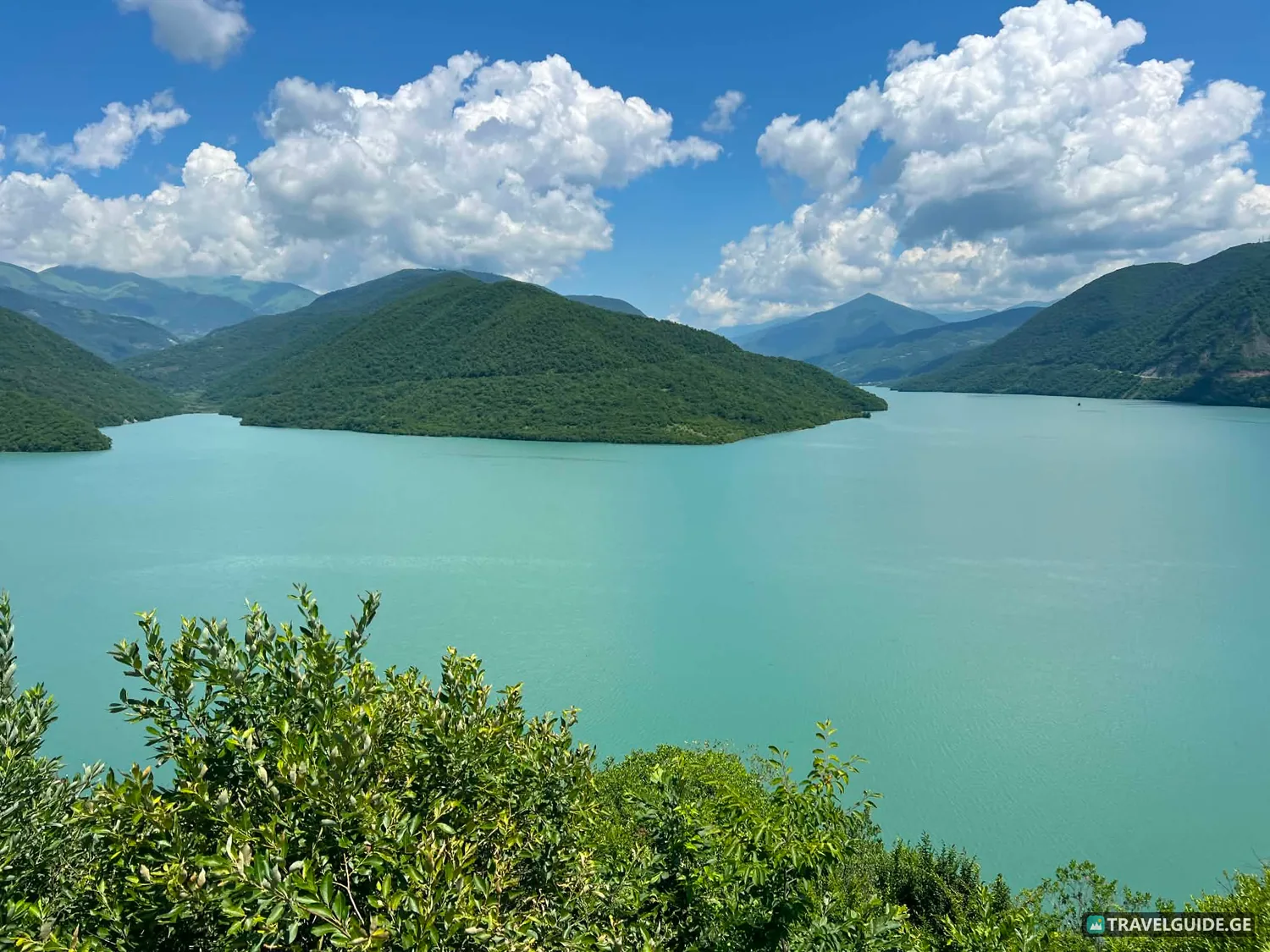
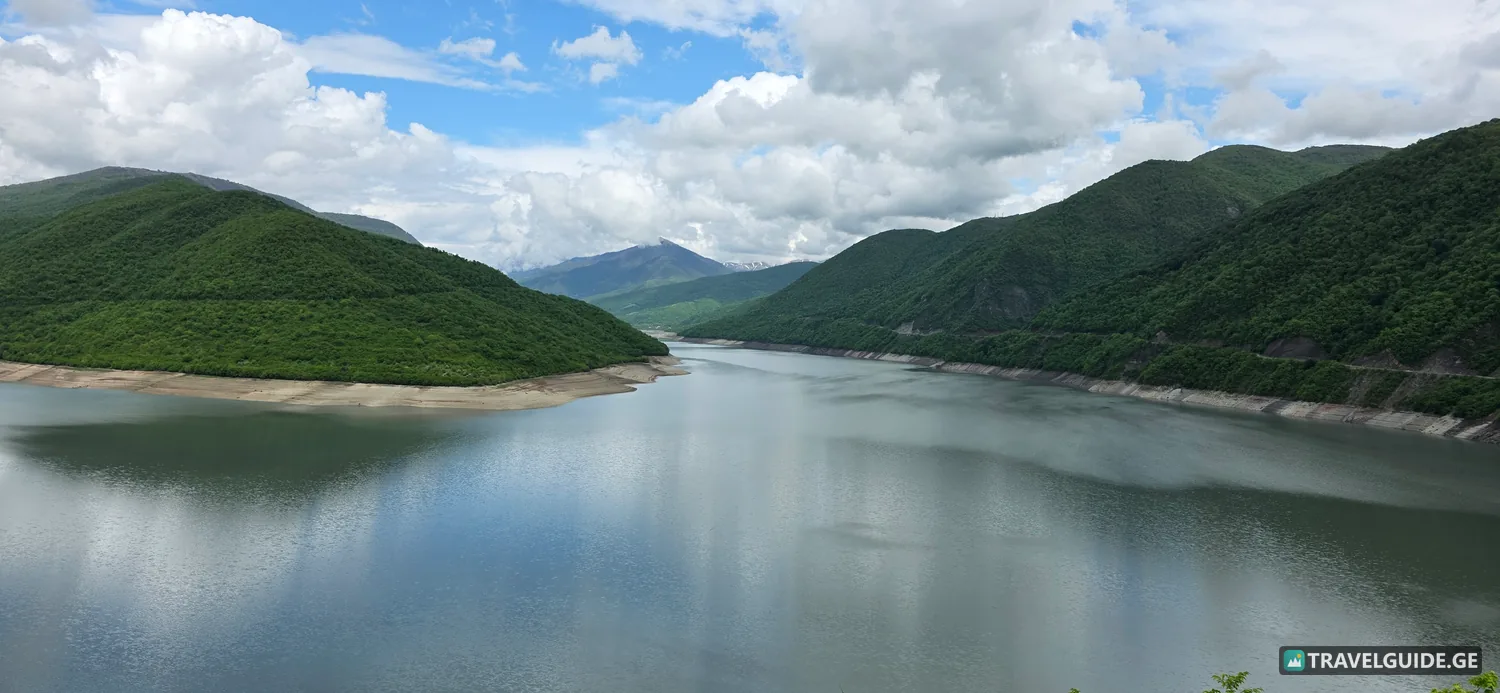
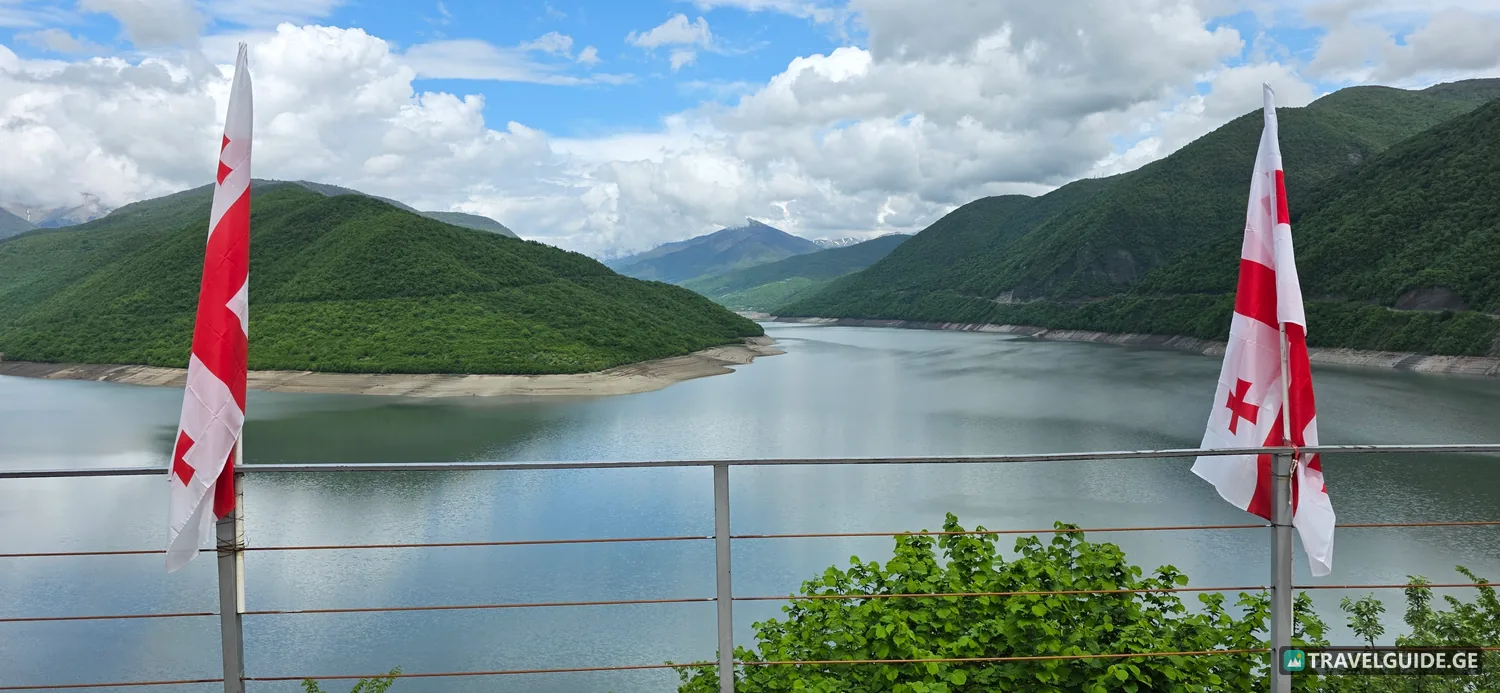
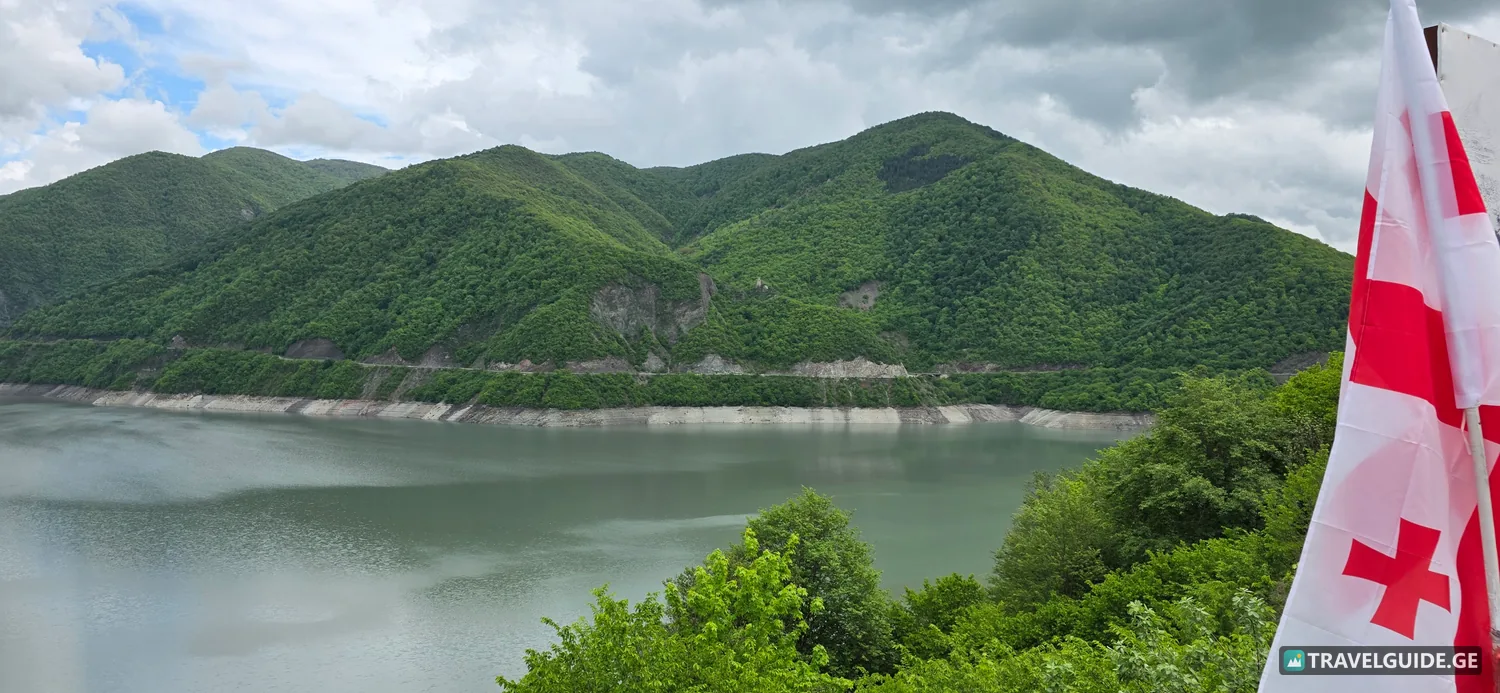
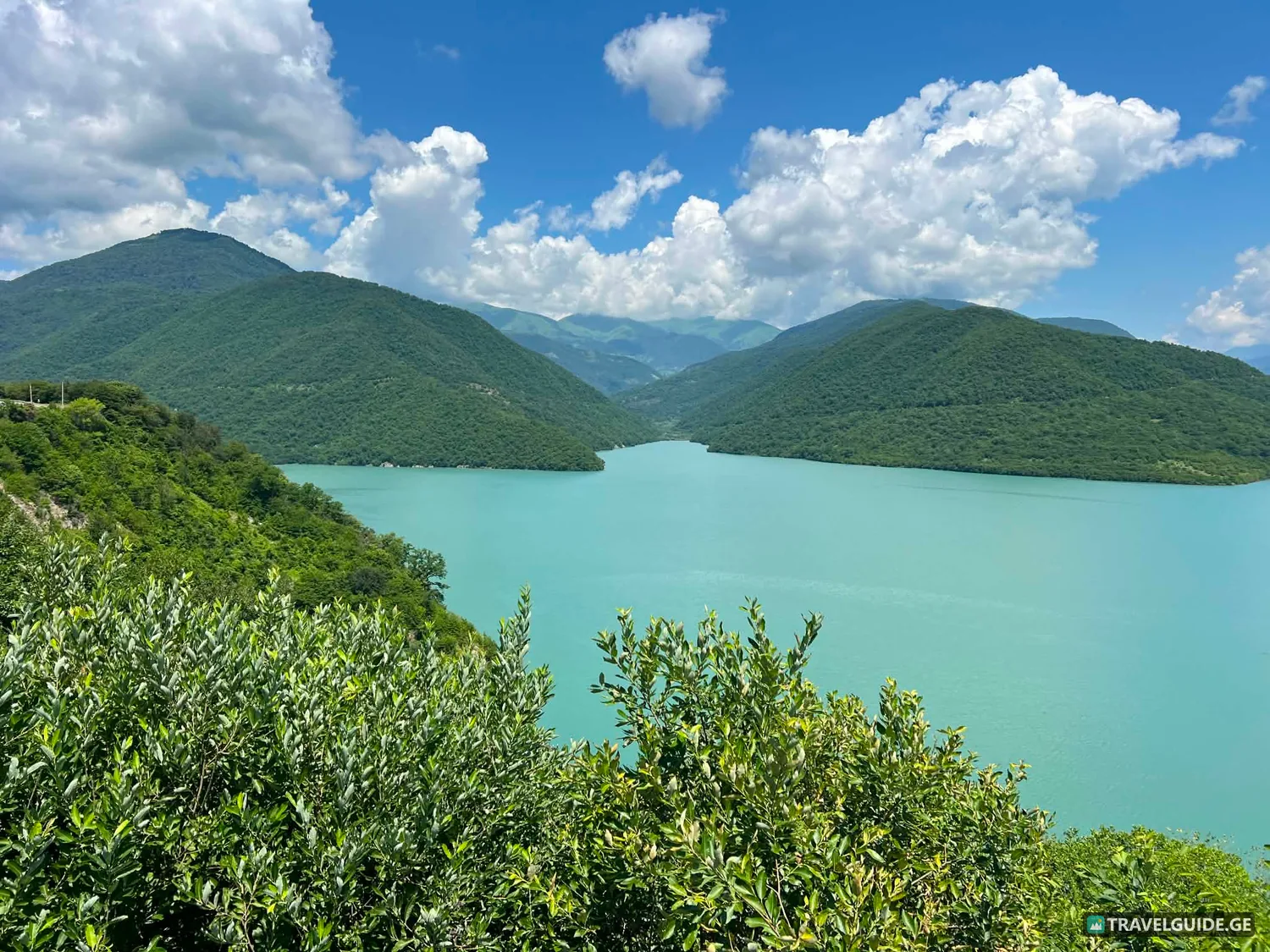
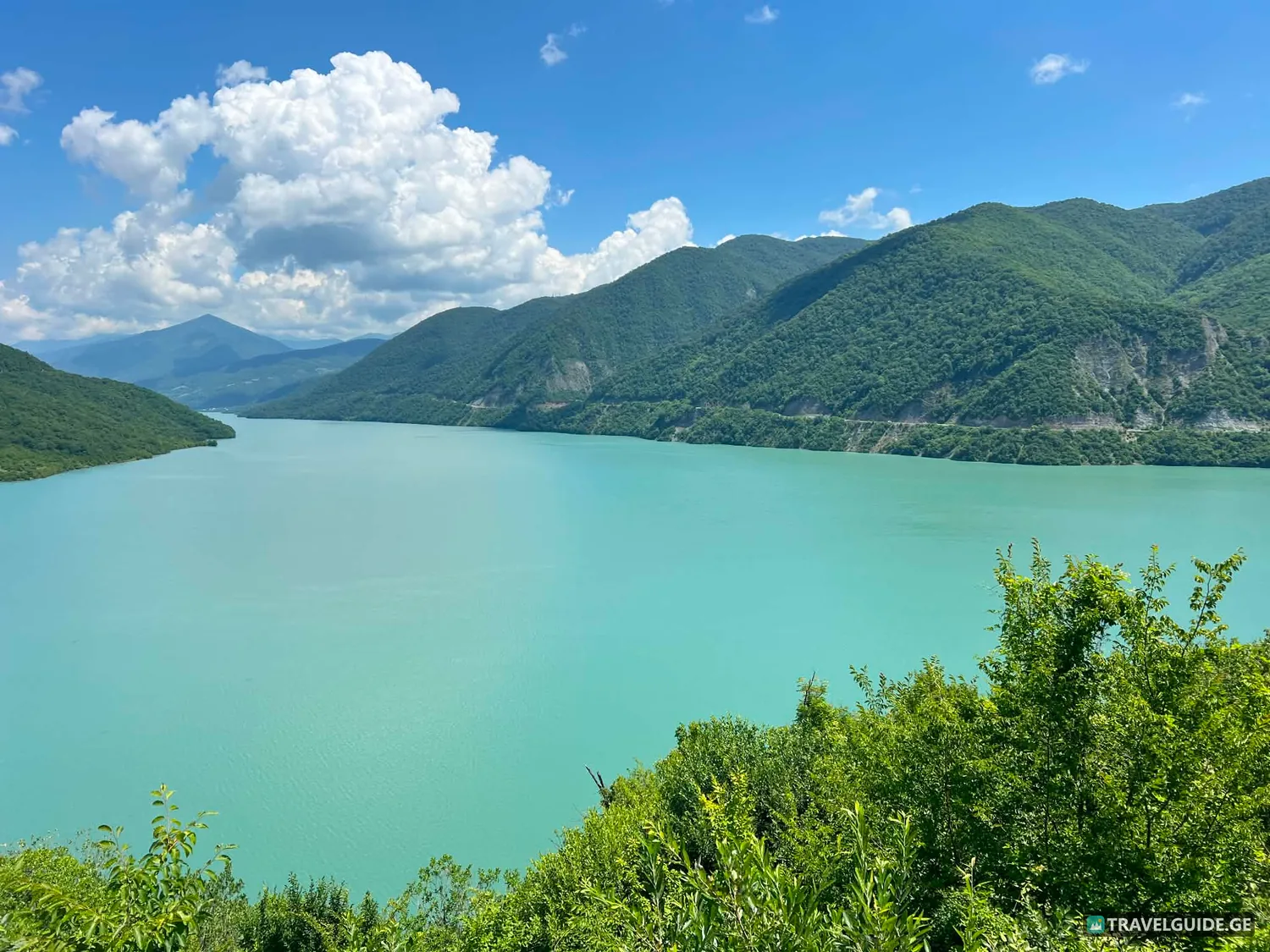
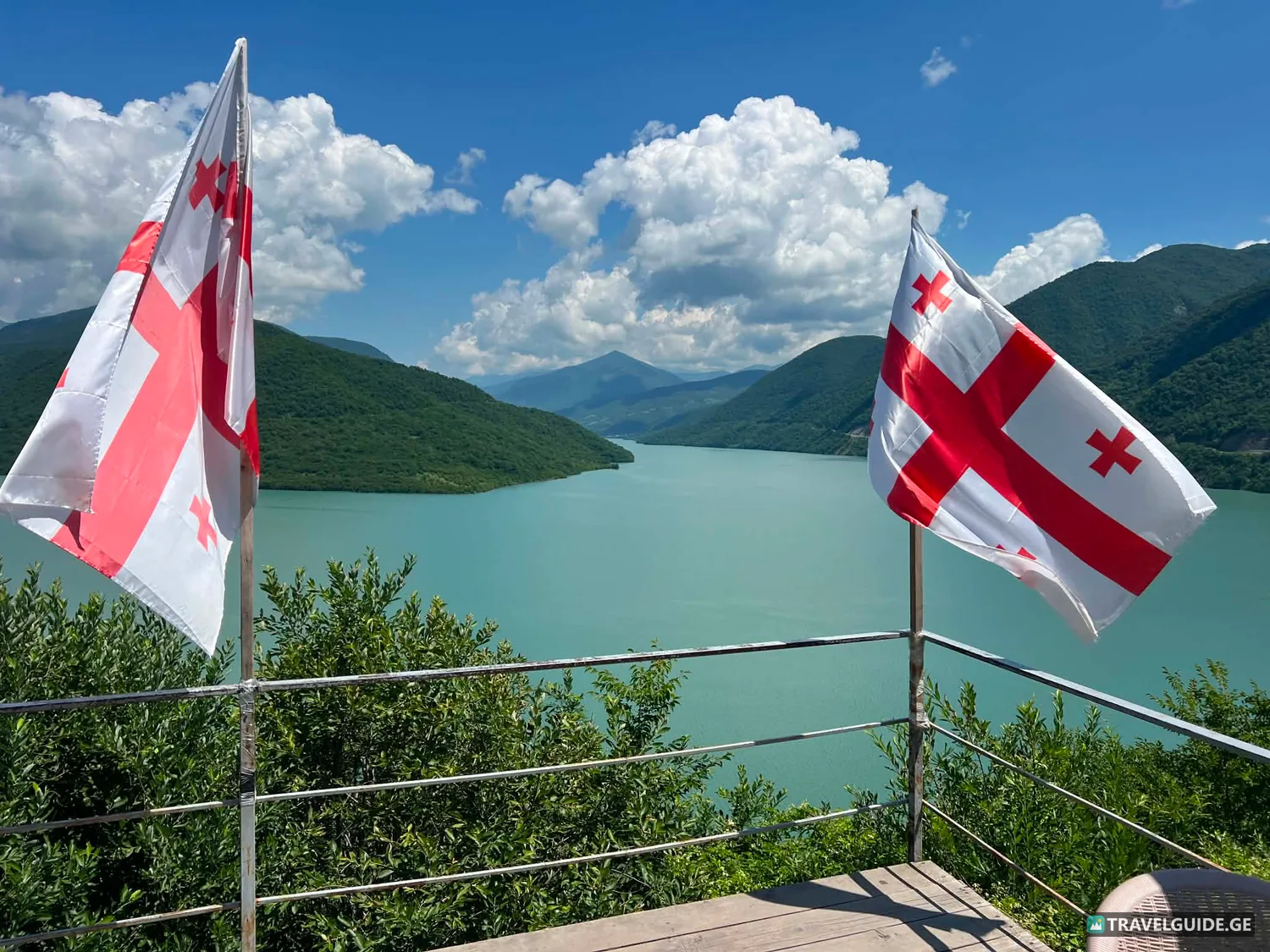
The Zhinvali Reservoir, often referred to as Jinvali Lake, is one of the most mesmerizing and strategically significant artificial lakes in the Caucasus region. Located in the Mtskheta-Mtianeti region of eastern Georgia, specifically within the Dusheti Municipality, this vast expanse of turquoise water lies cradled in the middle reaches of the Aragvi River. Flanked by the majestic peaks of the Alevi, Gudamakari, and Kartli mountain ridges, the Zhinvali Reservoir is a breathtaking synthesis of stunning natural beauty, monumental Soviet-era engineering, and a melancholic, hidden history that slumbers beneath its depths.
The Engineering Marvel and Lifeline of Tbilisi
The story of the modern reservoir begins in the late 20th century. As the capital city of Tbilisi underwent rapid expansion and industrialization, the demand for a reliable source of drinking water and electricity skyrocketed. To meet these demands, the Soviet government initiated the construction of the Zhinvali Hydroelectric Power Plant (HPP). The project culminated in 1985 with the completion of a massive dam at the confluence of the Pshavi Aragvi and Mtiuleti (White) Aragvi rivers.
Today, the reservoir boasts a total surface area of 11.5 square kilometers and reaches a maximum depth of 75 meters, holding approximately 520 million cubic meters of water. The hydroelectric plant generates 130 MW of power, but perhaps more importantly, the reservoir serves as the absolute lifeline for Tbilisi, supplying pristine, glacier-fed drinking water to roughly half of the capital’s population.
The Sunken City of Zhinvali: A Lost Heritage
Beneath the placid, azure waters of the reservoir lies a tragic historical sacrifice. The creation of the dam required the flooding of the ancient city of Zhinvali, a settlement that was once a thriving hub on the historic Silk Road. During the Georgian Golden Age in the 11th and 12th centuries, Zhinvali was a wealthy, fortified city, bustling with merchants, artisans, and noblemen. It was positioned perfectly to control the gates of the Caucasus. Historical chronicles mention the city during the reign of King David the Builder, and later, the illustrious Queen Tamar granted the city to her loyal minister, Chiaber Mandaturtukhutsesi, as a reward for his allegiance.
When the Soviet authorities finalized the plans to flood the Aragvi gorge, massive archaeological expeditions were hastily organized. Archaeologists, led by Ramin Ramishvili, frantically excavated the site, uncovering intricate palaces, fortresses, ancient burial grounds, and rich artifacts. Despite local protests and the pleas of historians, the project proceeded. It is estimated that nearly 60% of the area's archaeological treasures remain unexcavated, forever entombed beneath 75 meters of water.
The Miracle of the Jvaripatiosani Church
The most poignant symbol of this lost heritage is the 12th-century Jvaripatiosani (Church of the Holy Cross). Unlike the rest of the city, which is permanently submerged, this ancient stone church experiences a cyclical resurrection. Because the reservoir's water levels are heavily dependent on seasonal glacial melt and consumption rates in Tbilisi, the water recedes drastically during the winter and early spring.
For roughly six months of the year, the waters draw back, and the Jvaripatiosani Church miraculously emerges from the depths. Visitors during these dry months can actually walk upon the cracked, dried lakebed and step inside the surviving stone walls of the sanctuary. For the remaining six months, as the snowpack melts and the reservoir swells in the summer, the church is slowly swallowed by the water once again, becoming a mystical underwater monument accessible only in memory.
A Jewel of the Georgian Military Highway
Geographically, the reservoir is situated roughly 70 kilometers north of Tbilisi, making it the perfect first stop along the legendary Georgian Military Highway—the historic route that connects the South Caucasus to Russia, winding through the towering Greater Caucasus mountains.
The water of the reservoir is famous for its intense, almost unnatural turquoise hue. This vibrant color is the result of the pure, mineral-rich glacial runoff from the high Caucasus peaks blending into the Aragvi River. Surrounded by thick, green, forested slopes in the summer and a stark, snow-capped wonderland in the winter, the landscape offers unparalleled opportunities for landscape photography.
Tourism and Activities
For modern travelers, the Zhinvali Reservoir is much more than a quick photo stop. It is a gateway to adventure.
- Sightseeing and Photography: Multiple panoramic viewpoints are carved into the cliffs along the highway, offering expansive, unobstructed views of the water juxtaposed against the mountainous horizon.
- The Ananuri Fortress: Perched elegantly on the northwestern shore of the reservoir is the magnificent Ananuri Architectural Complex, a 13th-17th century castle that belonged to the Dukes of Aragvi. The fortress complex, with its intricately carved stone churches and defensive towers, creates a fairytale-like silhouette against the blue waters of the lake.
- Recreation: In recent years, the reservoir has become a popular destination for eco-tourism. Visitors can enjoy kayaking, paddleboarding, and boat tours across the tranquil surface. Cyclists often trace the perimeter of the lake, exploring off-the-beaten-path trails that dive deep into the Aragvi gorge.
Whether you are a history enthusiast captivated by the allure of a sunken city, a nature lover seeking the tranquility of alpine waters, or a traveler en route to the towering peaks of Kazbegi, the Zhinvali Reservoir is an unforgettable testament to the delicate, often dramatic intersection of human ambition and natural beauty.