
Murkmuliari
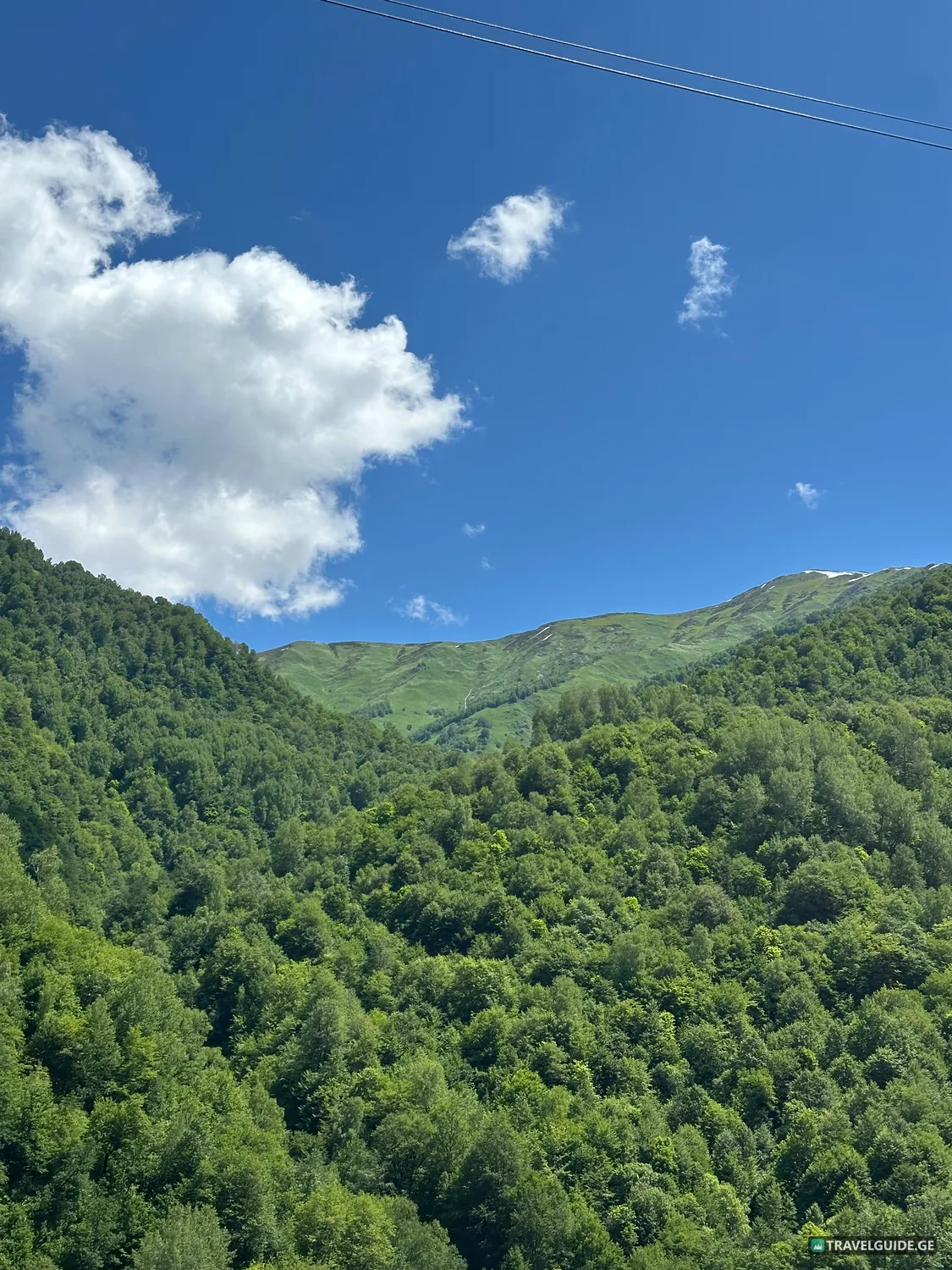
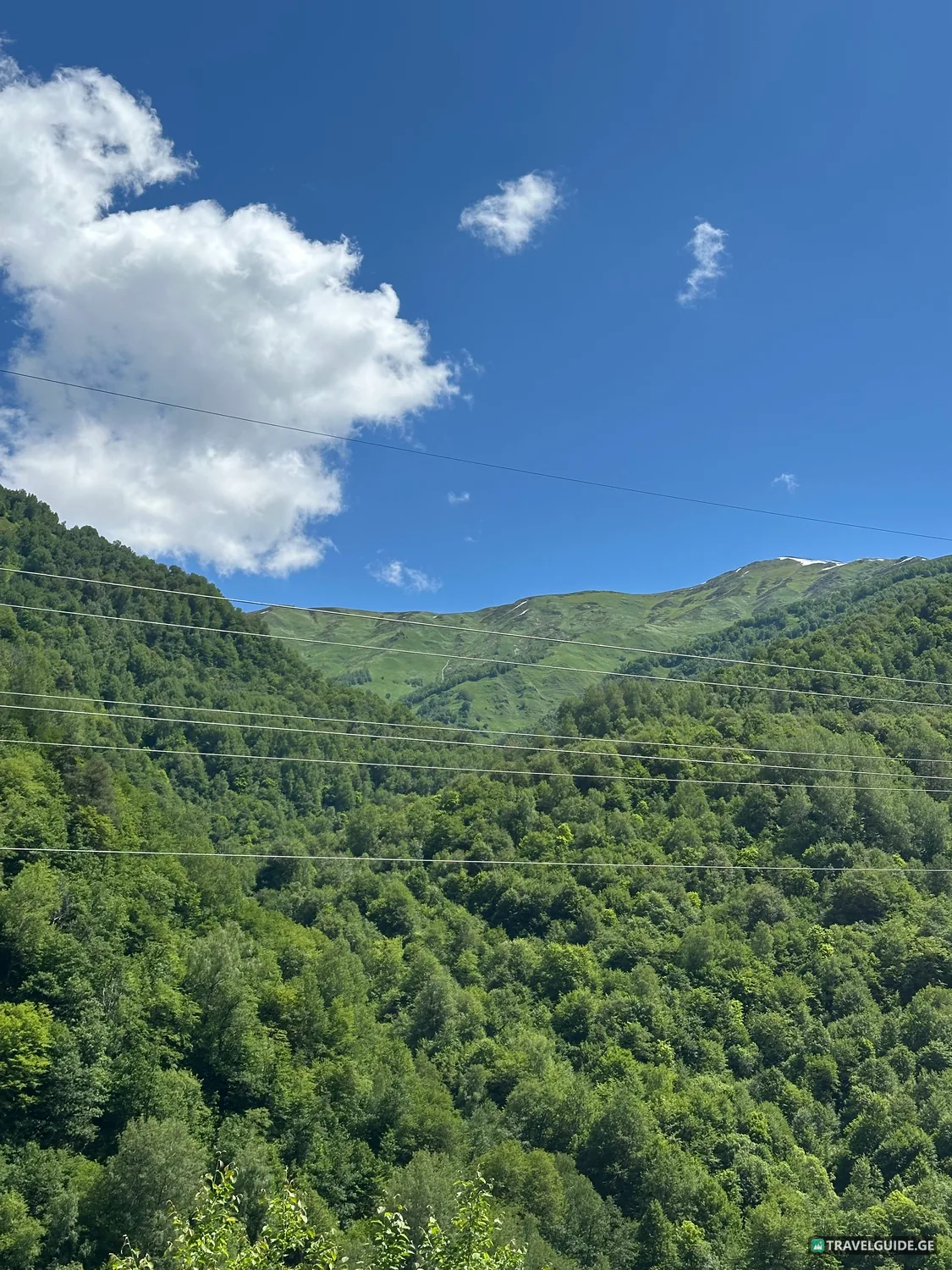
The Murkmuliari massif stands as a sentinel in the high-altitude landscape of Upper Svaneti, rising within the central section of the Greater Caucasus. While it may not share the sheer technical intensity of the nearby Shkhara or Ushba giants, its geographical positioning creates an exceptional observation deck for the surrounding alpine world. The mountain is defined by its sweeping ridges and the gradual transition from lush highland pastures to the stark, rugged terrain of the high peaks.
Geological Formation & Alpine Environment
Geologically, Murkmuliari is composed primarily of crystalline schist and granite, common to this sector of the Caucasus. Its slopes reflect the intense glacial activity that carved the valleys of the Enguri River basin. The terrain is characterized by loose shale and glacial debris, which requires steady navigation.
- Altitude: Reaching heights near 3,000 meters, it sits above the tree line, offering an unobstructed view of the Bezengi Wall and the glaciers feeding the Inguri.
- Flora and Fauna: During the summer months, the lower slopes are covered in rare alpine flora, including Caucasian rhododendrons, which thrive in the thin, moist air.
Historical Significance in the Svaneti Landscape
Historically, these heights served as natural boundaries for the Svan communities settled in the valleys below. The mountain passes near Murkmuliari acted as seasonal transit routes for local shepherds moving livestock between the summer pastures of the Iprali area and the lower valleys.
Traditional Svanetian architecture—specifically the defensive stone towers—is tightly integrated into the geography below these peaks. These structures, dating back to the Middle Ages, were built to protect households from both external threats and the harsh, unpredictable mountain climate. Exploring the approach to Murkmuliari provides a unique perspective on how Svan society adapted to such a challenging, high-altitude environment, maintaining their customs and language in near isolation for centuries.