
Lashtkhorgashi
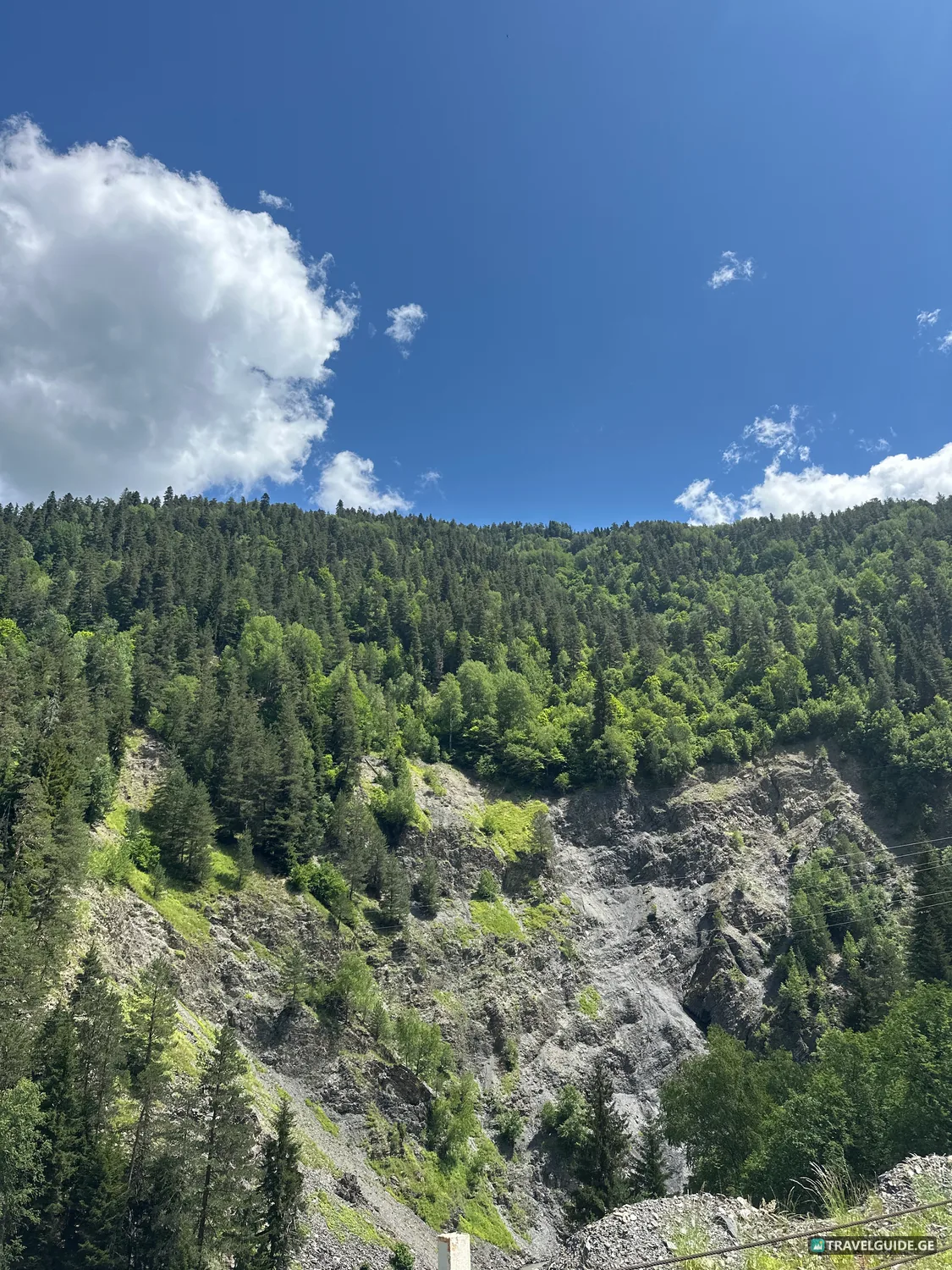
Lashtkhorgashi stands as a quiet historic settlement nestled within the rugged terrain of Upper Svaneti. Positioned at an elevation of roughly 1,650 meters, this site serves as a preserved window into the traditional defensive systems of the Svan people. Unlike larger, more developed hubs in the Mestia municipality, Lashtkhorgashi retains an atmosphere of isolation, defined by the enduring presence of its medieval stone architecture and the expansive, jagged backdrop of the Caucasus Mountains.
The Architecture of Survival
At the heart of the village, the classic Svan towers—or koshki—dominate the landscape. These structures were never mere dwellings; they were meticulously engineered fortresses built between the 9th and 13th centuries. Constructed from locally sourced slate and limestone, the towers served a dual purpose: protecting families from harsh winters and defending the community from external incursions. Each tower typically stands four to five stories tall, with the ground floor dedicated to livestock, middle levels used for living, and the top levels serving as strategic watchpoints. Observing these structures today, one can appreciate the technical ingenuity required to build such robust, earthquake-resistant formations without modern machinery.
The Svan Landscape and Legacy
The geography of Lashtkhorgashi is defined by the steep slopes and narrow river valleys that have historically kept this region largely cut off from the outside world. This isolation allowed the Svaneti province to cultivate a distinct linguistic and cultural identity. The defensive architecture here is not random; it is part of a wider, interconnected web of signal towers that once allowed residents to communicate warnings across vast distances using fire and light. Today, the paths around the village offer insight into the agrarian roots of the region, where high-altitude pastures and subsistence farming continue to dictate the rhythm of life for the few remaining residents. The significance of this site lies in its quiet continuity—it remains a place where the physical labor of the Middle Ages is still visible in every stone, standing against the backdrop of the eternal glaciers of the Greater Caucasus.