
Svan Towers
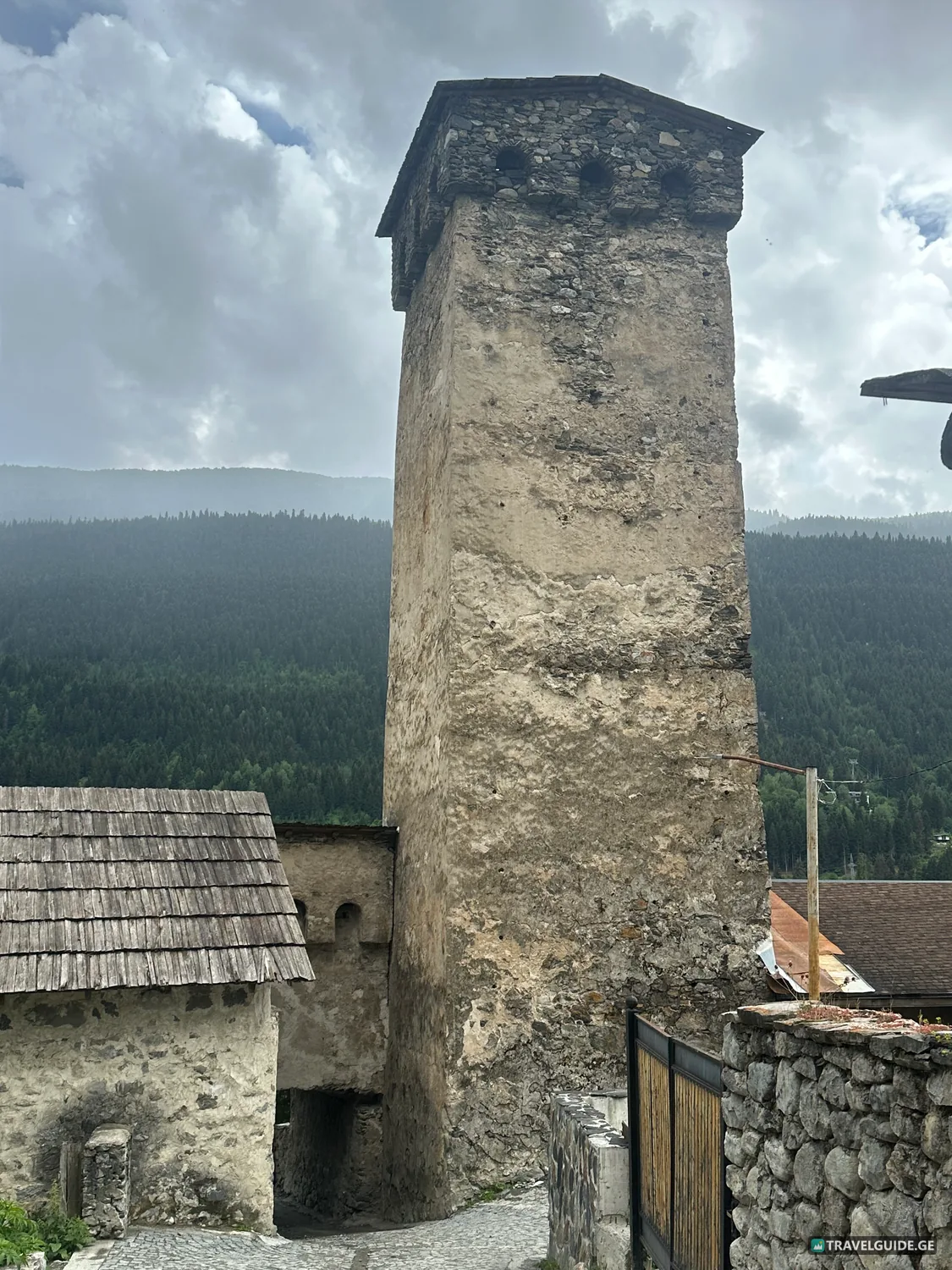
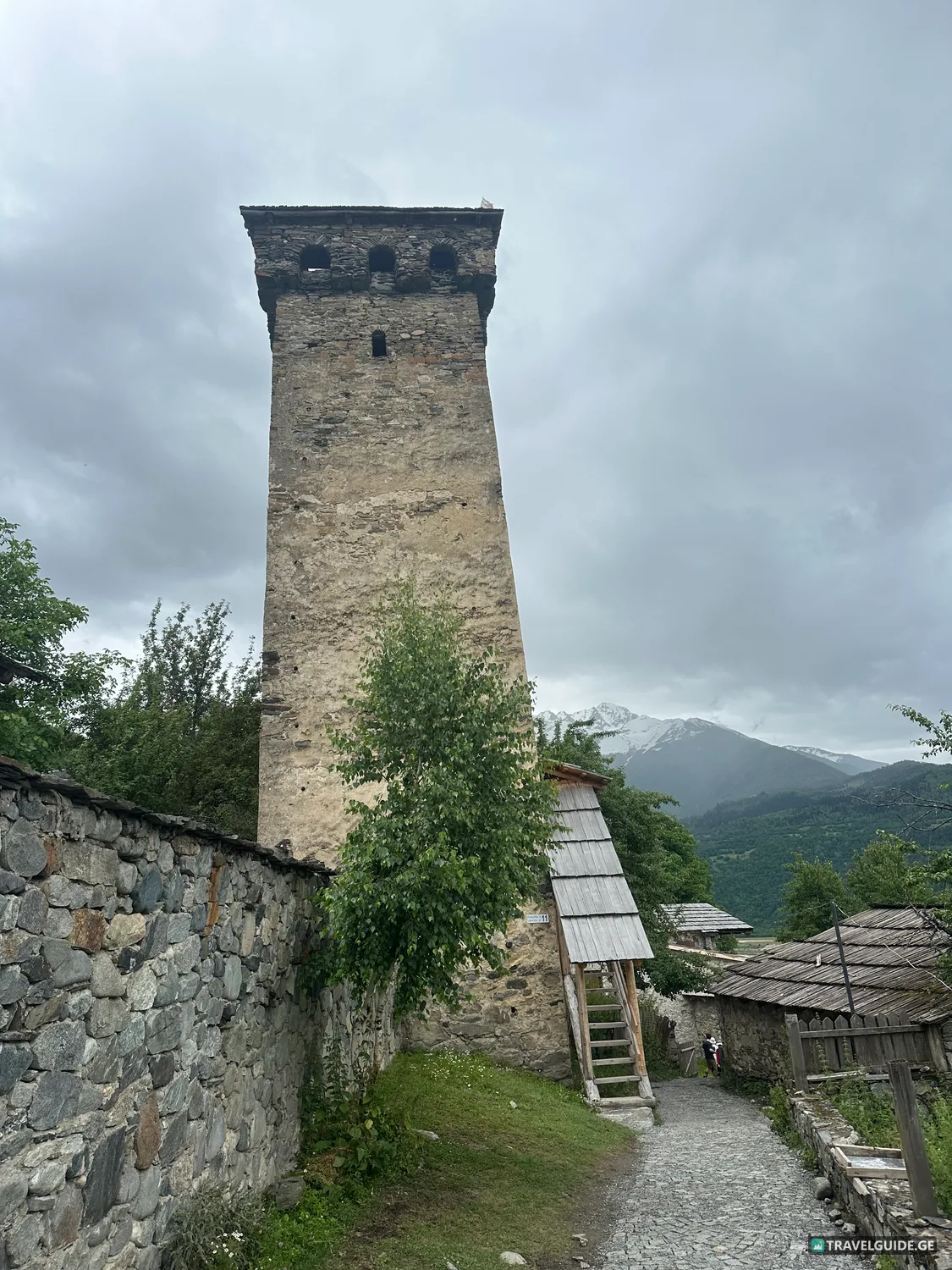
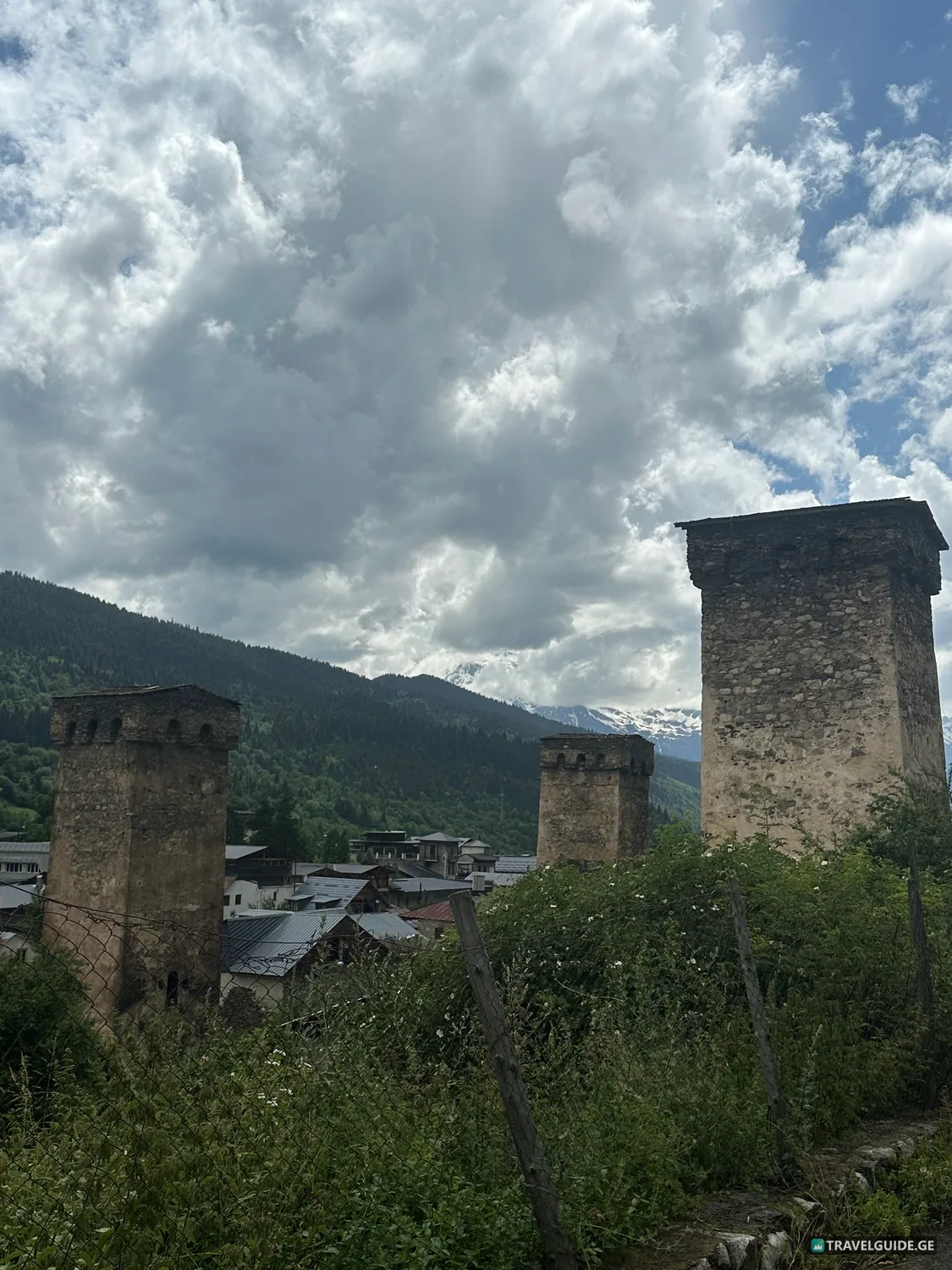
The landscape of Svaneti is defined by a singular, iconic silhouette: the Svan tower. These stone structures, rising from the jagged slopes of the Greater Caucasus, are not merely dwellings but complex defensive fortifications that have dictated the social and survival patterns of the Svan people for nearly a millennium. Unlike central European fortifications designed for communal protection, these towers represent the insular nature of Svan clan life, where every family unit maintained its own fortified stronghold to navigate a landscape defined by isolation and historical autonomy.
The Evolution of the Svan Tower
Construction of these towers, known locally as Murkvam, reached its zenith between the 8th and 18th centuries. The necessity for such extreme defensive measures stemmed from the region's historical geography. Svaneti was a territory that remained largely outside the direct control of central Georgian kings, governed instead by strong kinship ties and a code of conduct that occasionally required families to protect themselves against internal neighbors and external invaders alike. The tower functioned as a vertical extension of the Machubi—the traditional two-story stone house where a family resided.
Engineering for Survival
The structural integrity of these towers is a result of advanced local empirical knowledge. Standing between 20 and 25 meters in height, they utilize a tapered geometry—a slight inward slope that provides structural stability against the intense seismic activity of the Caucasus and the massive snow loads of winter.
- Foundation: The base of each tower is composed of massive, undressed stones, creating a solid lower section that lacks doors or windows, preventing structural sabotage.
- Entry: Access was strictly via a high-level opening, historically reached by a removable wooden ladder that could be retracted during periods of conflict or feuding.
- Defense: The upper floors were fitted with narrow, vertical apertures used for surveillance and archery, transitioning later to accommodate early firearms.
Social and Cultural Significance
The tower served as the ultimate refuge during the tradition of blood feuds. In such instances, the entire family would retreat into the higher levels of the Murkvam, while the livestock remained on the ground floor of the attached Machubi. This arrangement created a self-sustaining micro-environment, with animals providing vital thermal mass during brutal winters. The Svan tower represents the physical manifestation of the family's honor; as long as the tower stood, the clan remained undefeated.
Surviving Heritage
While these structures can be found across the highlands—most notably in Ushguli, Mestia, and the Latali community—many are preserved through private stewardship. Visitors can gain a deeper understanding of this architectural lineage by visiting the Margiani House Museum in Mestia, which maintains the original spatial configuration of the Machubi and its associated tower. The preservation of these sites is critical, as they remain the primary evidence of the medieval social order in one of Georgia’s most isolated provinces.