
Sno Fortress
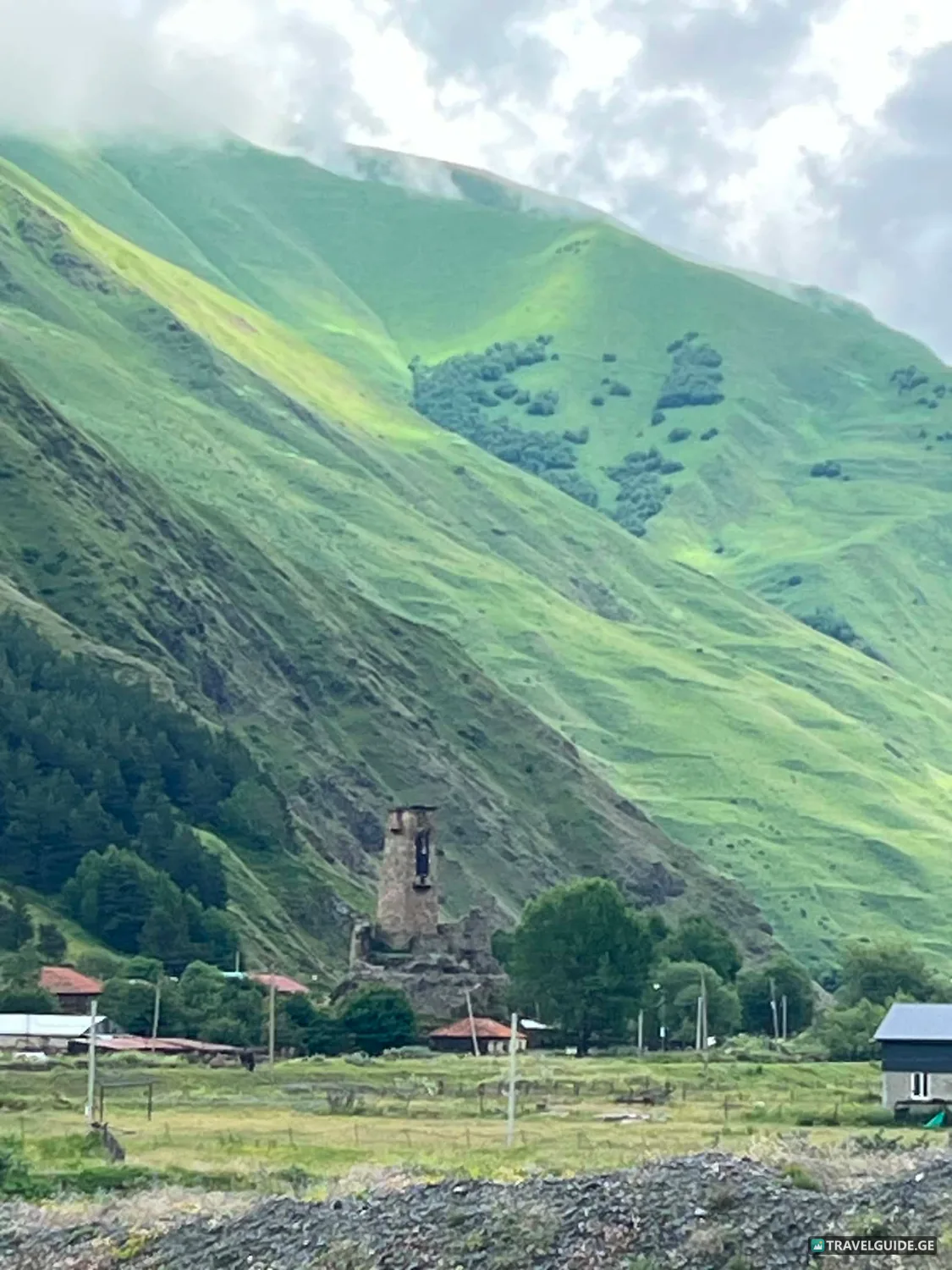
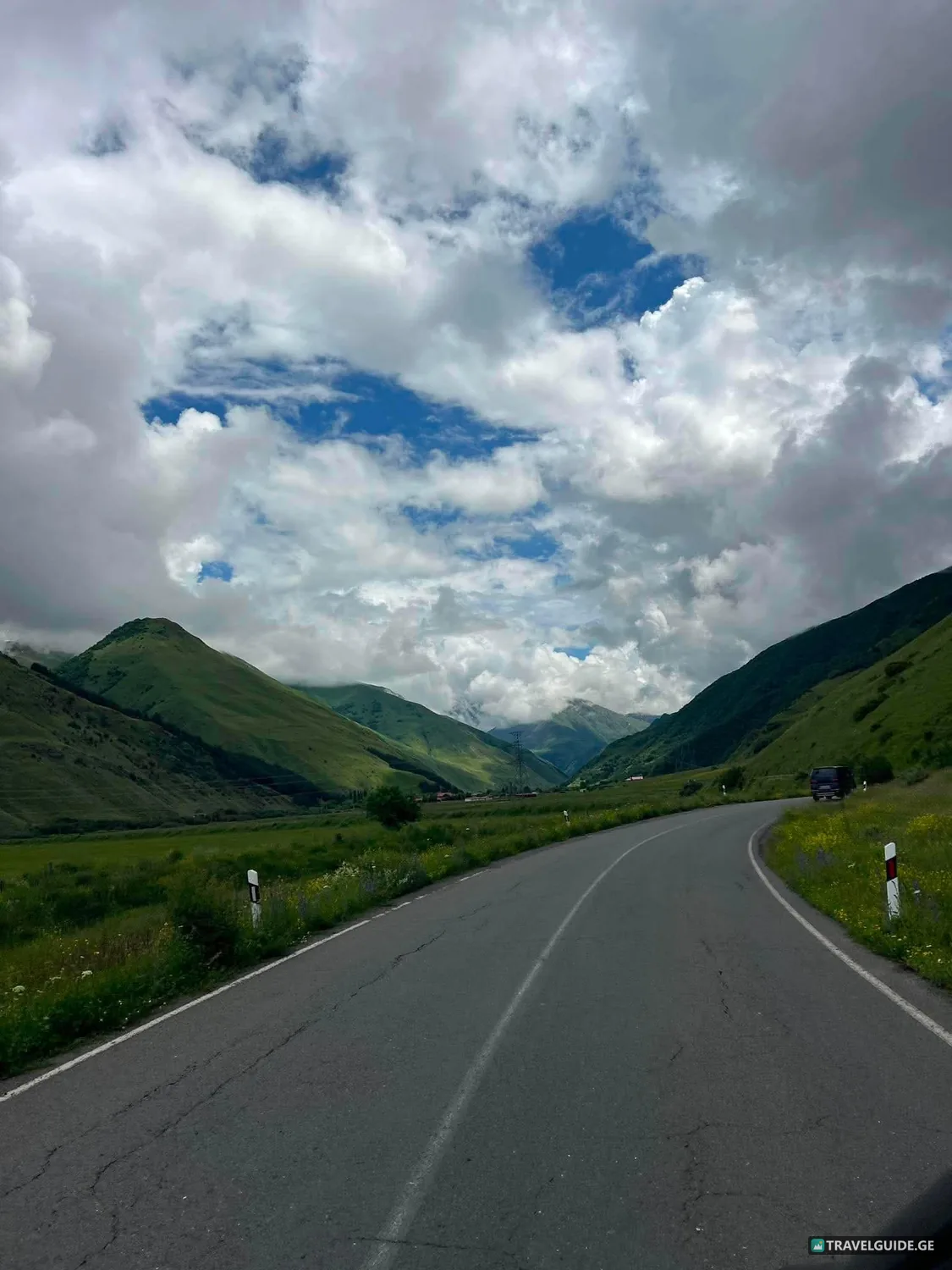
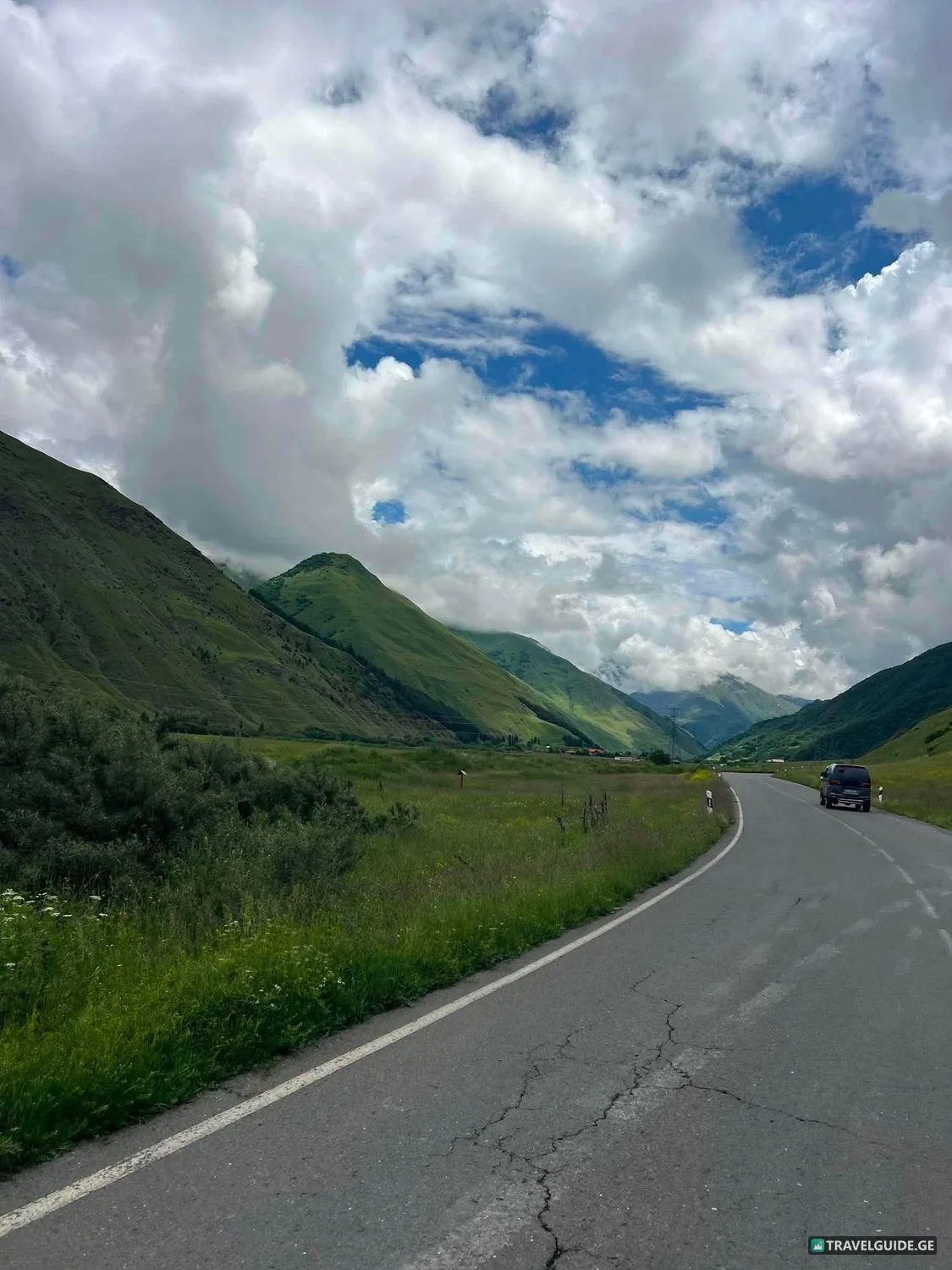
Travelers making their way through the high-altitude landscapes of the Kazbegi municipality toward the alpine Meadows of Juta will follow the winding course of the Snostskali River. Situated on an isolated, jagged rocky outcrop right in the middle of the village valley floor is the Sno Fortress. This dramatic fortification is a premier example of late medieval high-mountain defensive architecture, likely erected at the turn of the 17th century to protect the highland clans and secure the borders of the historic Khevi region.
The Strategic Bastion of the Ghudushauri Clan
Historically documented as the Ghudushauri Fortress, the fortification was engineered for a singular, vital military purpose: commanding the strategic entrance to the Sno Gorge. In the complex landscape of feudal Georgia, this valley formed a critical mountain pass connecting the communities of Khevi with the remote, independent eastern highland provinces of Khevsureti and Pshavi. Whichever local lord or royal garrison controlled this stone watchtower held absolute dominion over the movement of traders, high-mountain travelers, and military detachments, providing an early warning system against sudden cross-border incursions.
Architectural Engineering and Monolithic Design
The physical layout of the complex consists of a circular stone curtain wall built from local, roughly hewn shale blocks that encloses a imposing, multi-tiered pyramidal watchtower. When viewed from the approaching valley road, the dry-stone masonry blends completely with the natural fractures of the rocky crag underneath, creating the optical illusion that the fortress is an organic extension of the cliff itself. The architecture is intentionally austere and utilitarian, prioritizing structural resilience against both enemy siege and the intense seismic activity of the Greater Caucasus range.
While time and weather have worn away the internal timber floors of the central tower, making the inner chambers inaccessible today, the perimeter remains an exceptional vantage point. Climbing the short, steep dirt track from the village level to the base of the stone ramparts reveals panoramic views across the valley floor, where the ancient military post stands in direct visual alignment with old defensive routes.
Cultural Heritage and Artistic Monoliths
Beyond its medieval military significance, the village of Sno preserves a deep connection to contemporary Georgian culture. A short distance from the fortification walls sits an expansive spiritual complex and residence marking the birthplace of Ilia II, the long-serving Catholicos-Patriarch of the Georgian Orthodox Church, offering a distinct architectural contrast between medieval defense and modern ecclesiastical stone carving.
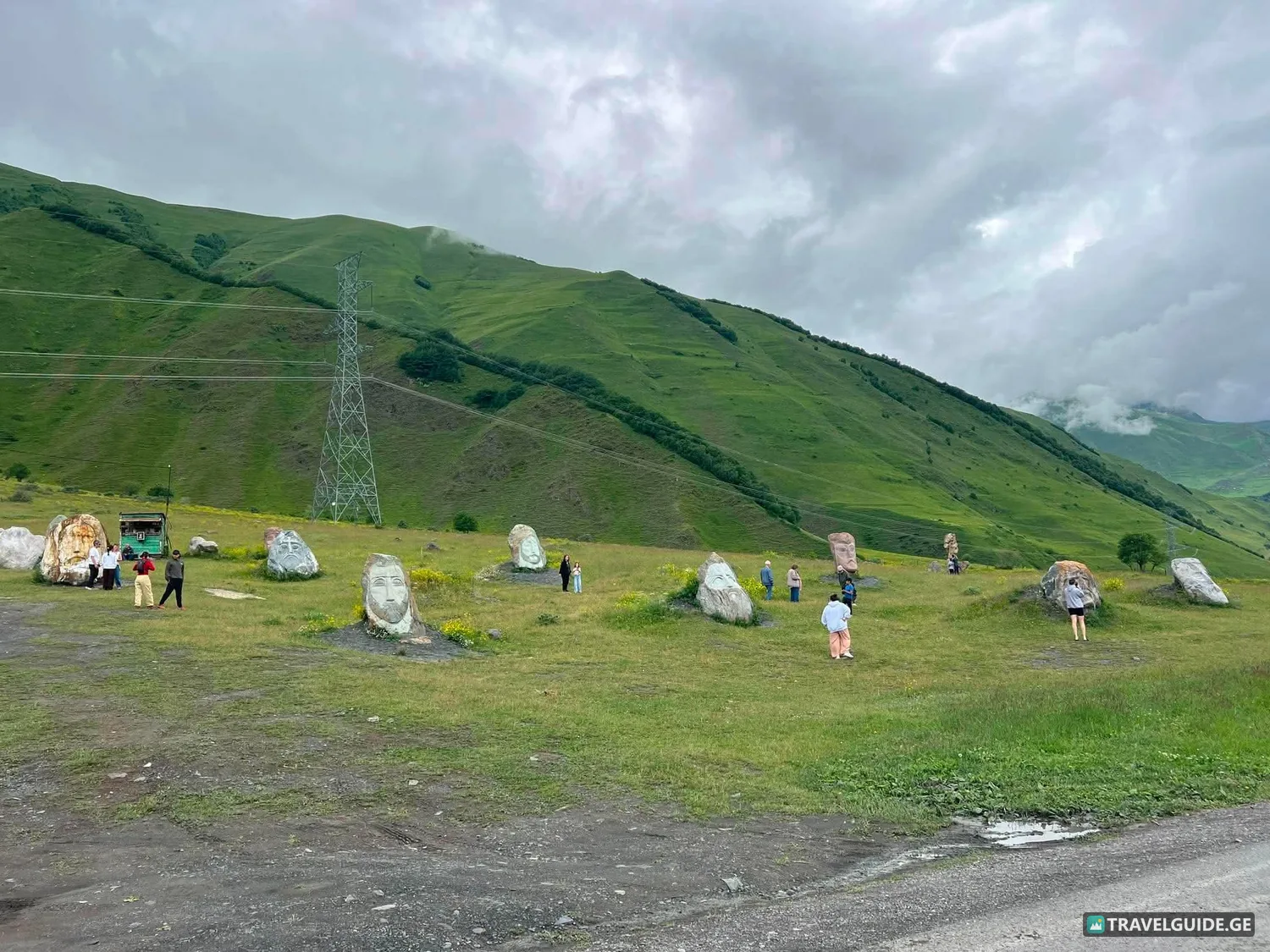
Just outside the primary settlement borders lies another remarkable cultural landmark: an open-air exhibition of massive granite monuments. Sculpted by local artist Merab Piranishvili, these giant stone heads are carved directly into raw mountain boulders scattered across a green pasture. The monoliths depict the expressive faces of Georgia's greatest historical writers, poets, and scholars—including Vazha-Pshavela, Shota Rustaveli, and Ilia Chavchavadze—transforming the alpine valley into a striking combination of medieval history and bold, modern artistic expression.