
Mount Mentashi
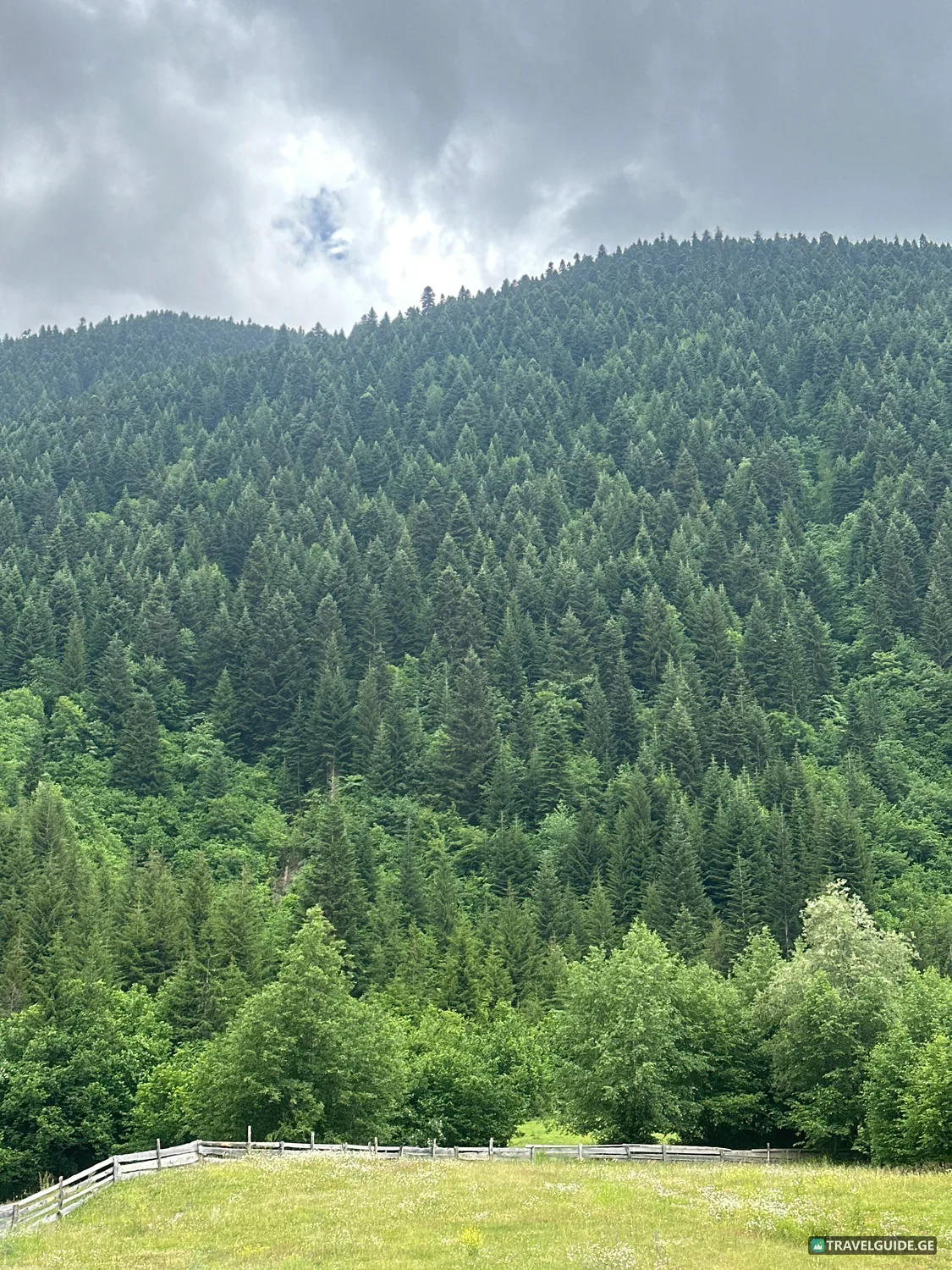
Mount Mentashi is a notable summit rising in the Becho region of Upper Svaneti, offering an exceptional vantage point over the structural landscape of the Greater Caucasus. Positioned near the community of Mazeri, this peak stands at an elevation that grants an unobstructed perspective of the jagged Ushba massif and surrounding glacial valleys. Unlike the deep gorges below, the open ridges of the mountain expose visitors to alpine terrain, where seasonal flora shifts into rugged rock formations near the crest. The area serves as a significant geographical landmark for understanding the dramatic topographic relief and climatic conditions that shape life in this part of Georgia.
Geographical Context and Alpine Landscape
Geologically, Mount Mentashi is part of the crystalline core of the Caucasus Mountains, characterized by steep granite slopes, deep structural fracturing, and classic glacial erosion patterns. The lower sections of the ridge feature dense subalpine meadows that transition into alpine tundra as the elevation increases. This zone is rich in endemic high-mountain plant species that bloom briefly during the summer months. From a geographical perspective, the peak acts as a natural barrier and a weather indicator for the Dolra River valley. The ridge lines provide an optimal location for studying the movement of regional glaciers and tracking the natural shifts in mountain ecology over time.
Historical Significance and Cultural Routes
While the mountain itself is a natural landform, its slopes and ridges carry historical weight as traditional pathways for local Svan communities. For centuries, these high ridges were utilized by herdsmen for seasonal grazing and as strategic lookout points to monitor movements across the mountain passes connecting Svaneti with the northern slopes of the Caucasus. The valleys directly below the peak are dotted with medieval defensive towers, demonstrating how closely the human history of Becho is tied to its vertical landscape. Navigating these slopes provides direct insight into the physical environment that isolated and protected Svan culture, shaping its distinct architecture, social laws, and survival strategies through the generations.