
Mount Kaskari
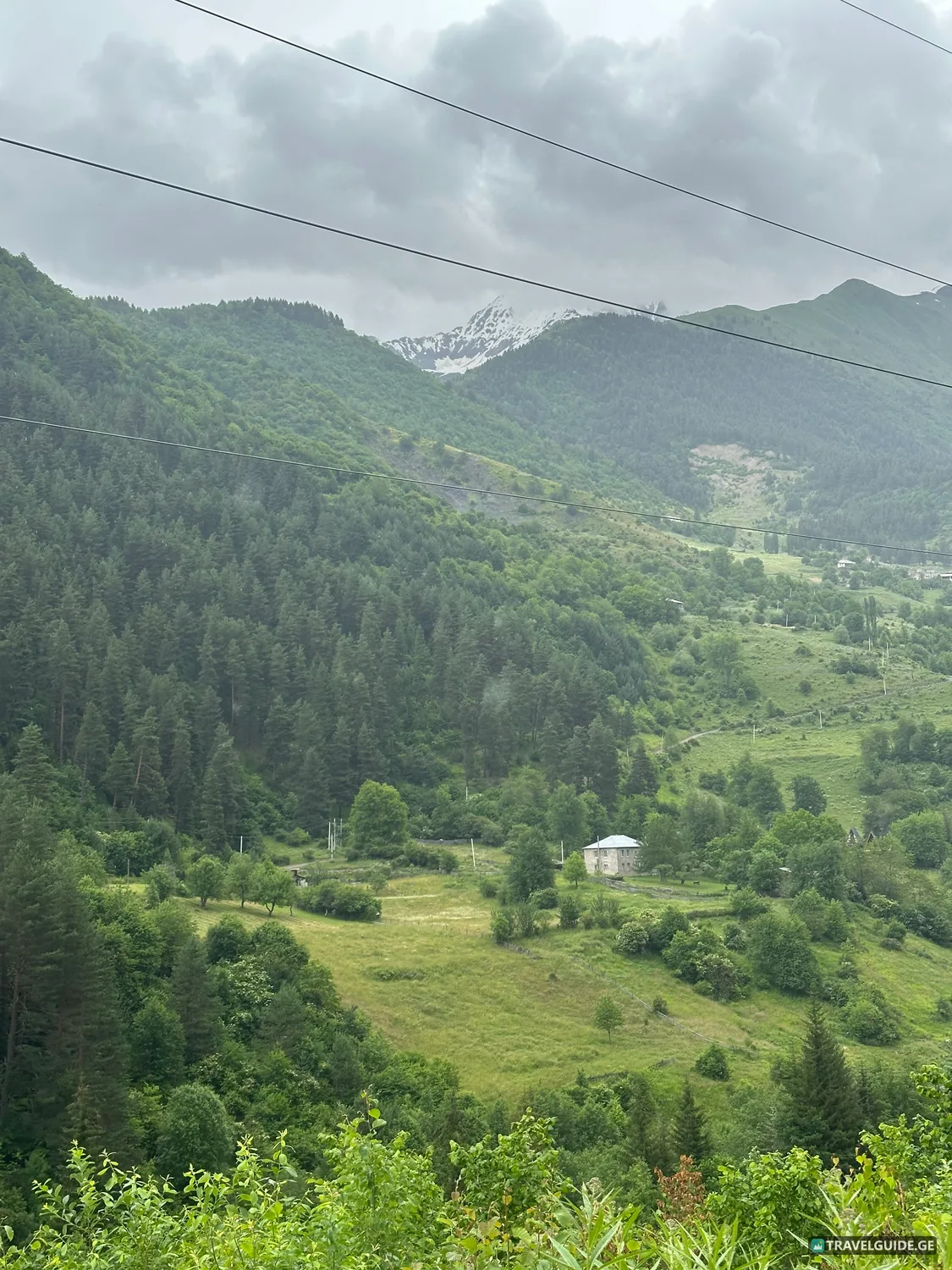
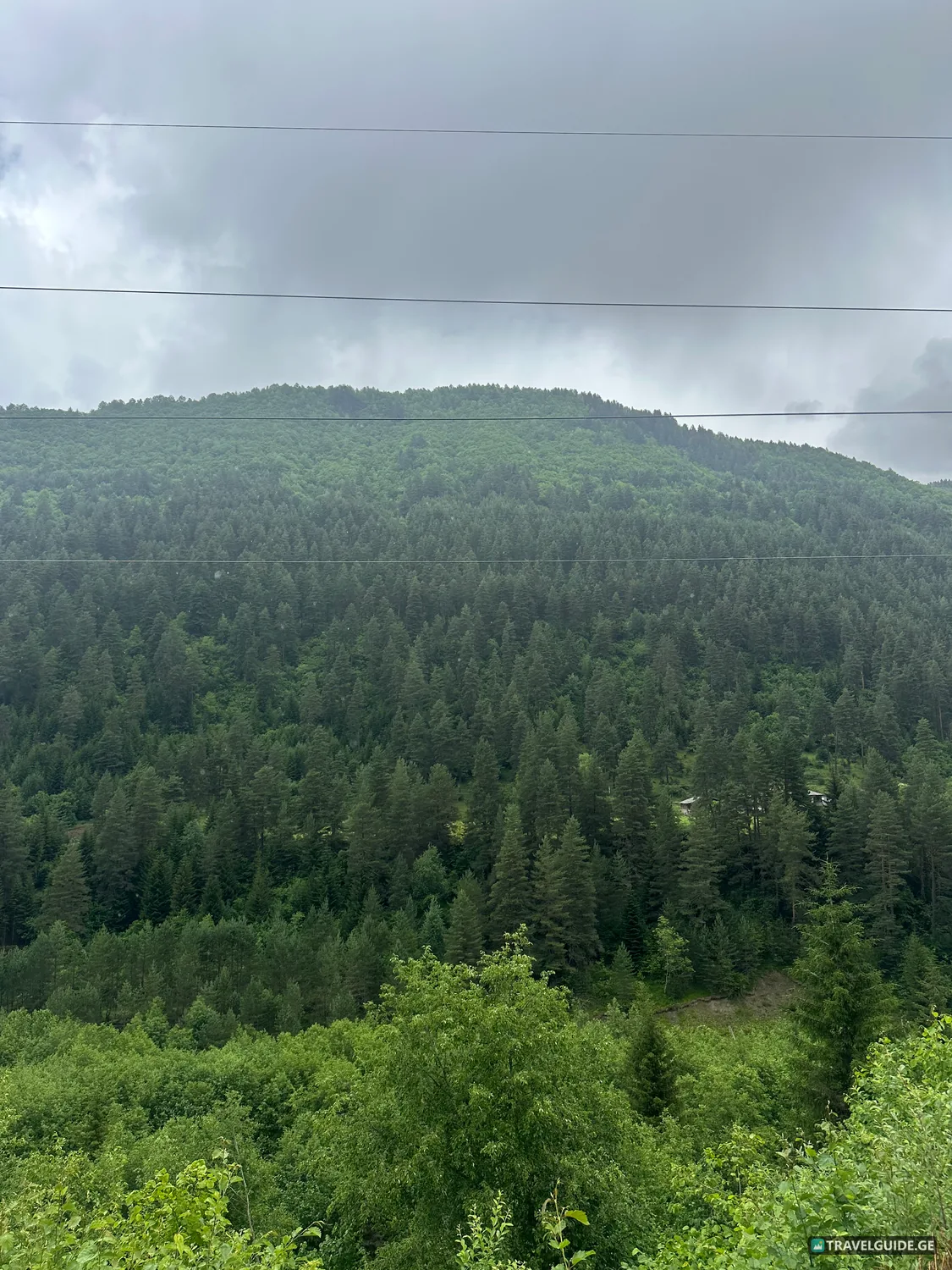
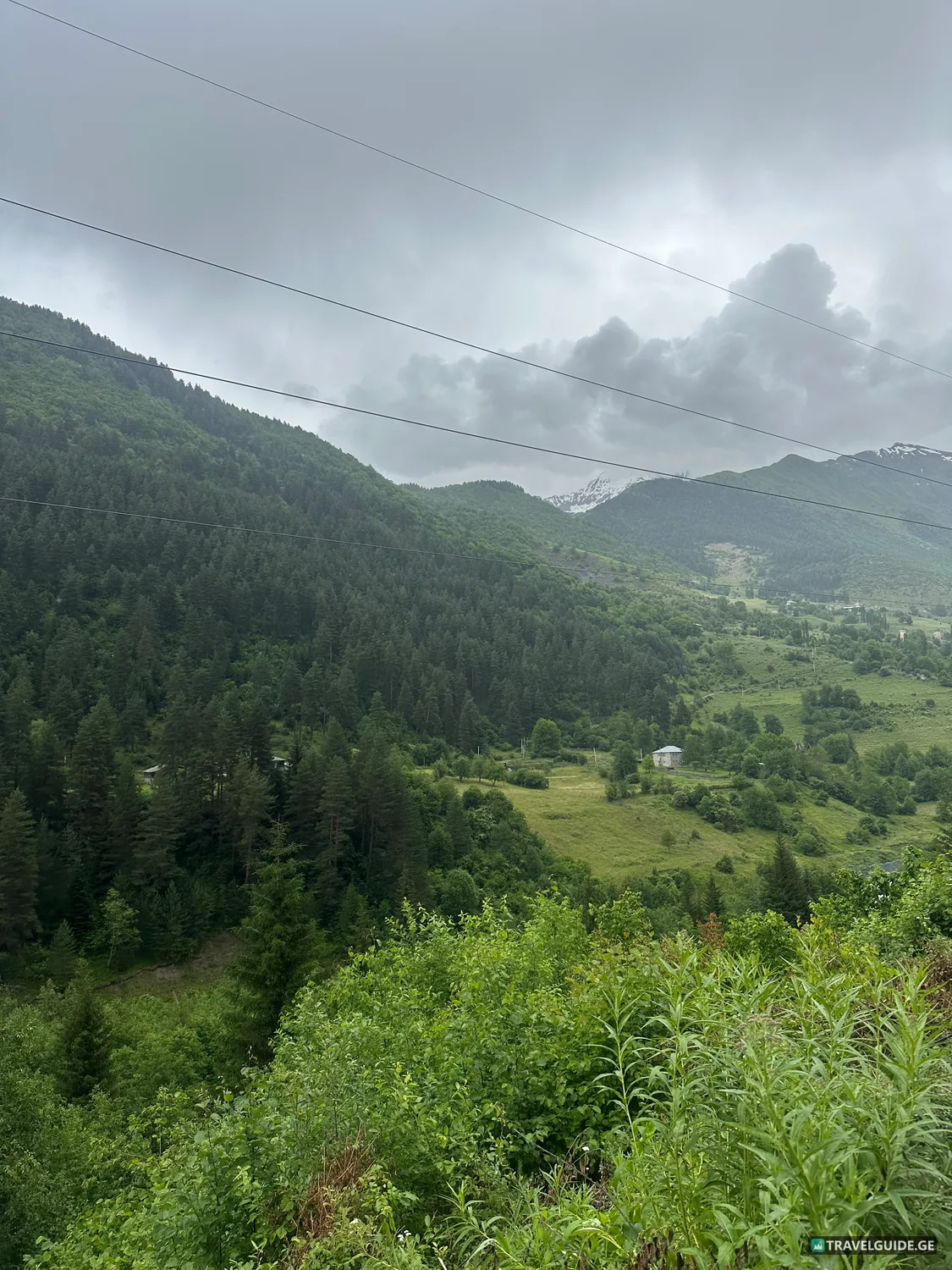
Standing as a prominent peak within the Greater Caucasus range, Mount Kaskari is an integral part of the rugged landscape that defines the historical Svaneti region. Rising above the alpine terrain of northwestern Georgia, this summit provides a dramatic backdrop to the isolated high-altitude settlements nearby. The mountain is deeply intertwined with the traditional pastoral lifestyle of the Svans, serving as a natural boundary and a prominent geographic landmark for generations of local herders and mountaineers.
Geographic Character and Alpine Environment
Mount Kaskari features steep, heavily glaciated slopes and complex rocky ridges typical of the Greater Caucasus spine. The geological composition primarily consists of paleozoic crystalline schists and granites, which have been heavily weathered by intense glacial activity over millennia. The surrounding valleys are fed by glacial meltwater, giving rise to fast-flowing streams that eventually merge into the region's main river systems.
The climate around the mountain remains strictly alpine, characterized by long, severe winters and brief, cool summers. Due to the high altitude, localized weather patterns can shift rapidly without warning. Cold air masses coming off the northern ridges regularly collide with more humid air from the Black Sea basin, producing heavy sudden fog, strong winds, and rapid temperature drops across the high grazing pastures.
Historical Significance and Cultural Connection
For centuries, the pastures beneath the slopes of Mount Kaskari have served as essential summer grazing grounds for local communities. The unique geographic isolation of the surrounding valleys allowed medieval Svan culture to preserve its distinct identity, architectural traditions, and language away from foreign invasions. Historical footpaths skirting the base of the mountain connected remote highland outposts, acting as vital communication routes when lower mountain passes were blocked by snow or conflict. Local folklore frequently associates these formidable peaks with protector spirits and ancient hunting deities, reflecting a deep-seated cultural respect for the high mountains.