
Diklo Fortress (Dzveli Galavani)
Introduction
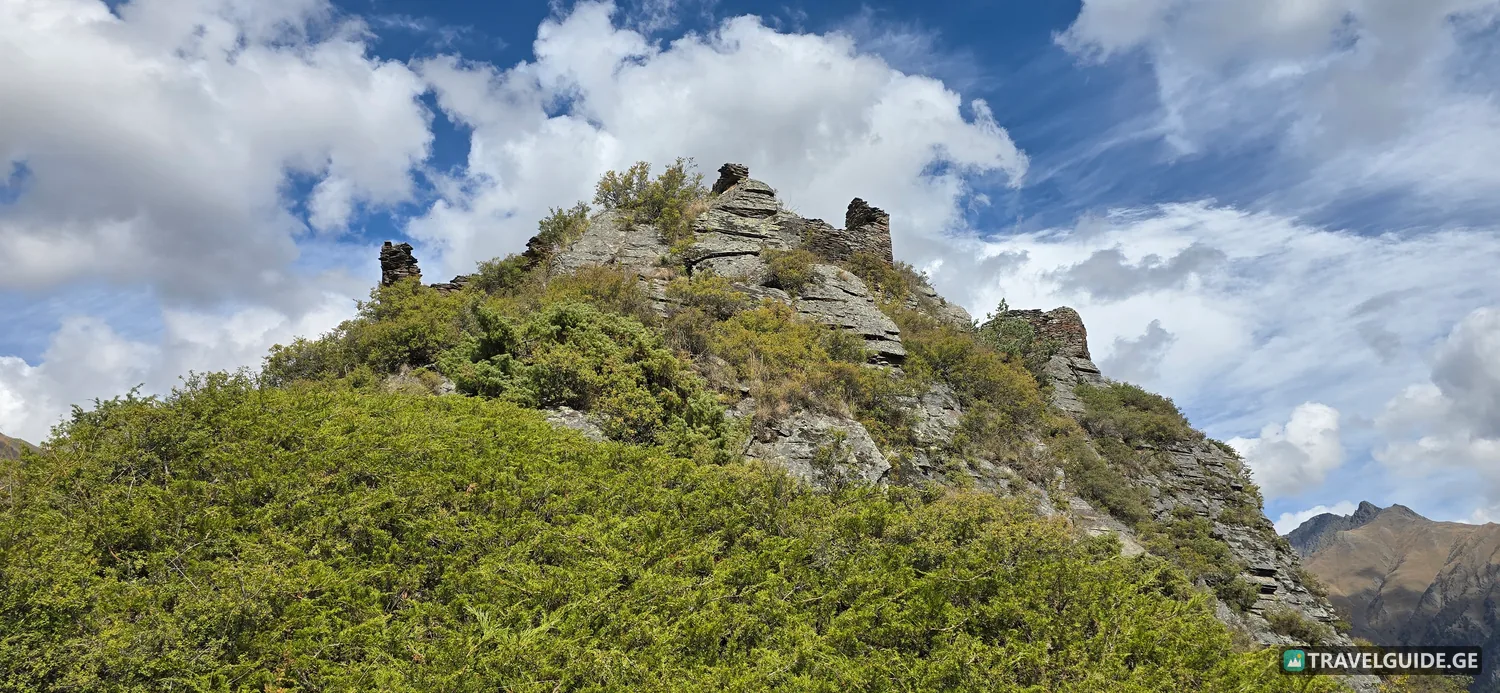
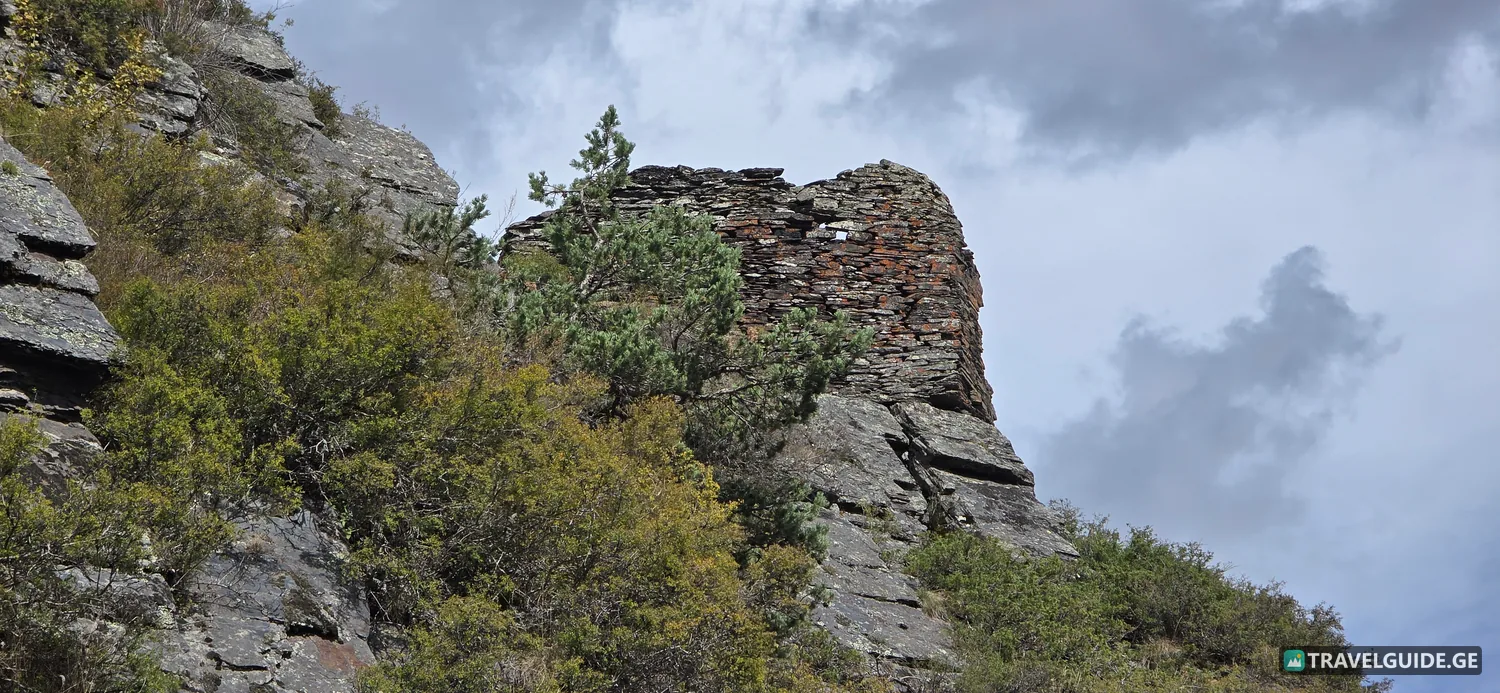
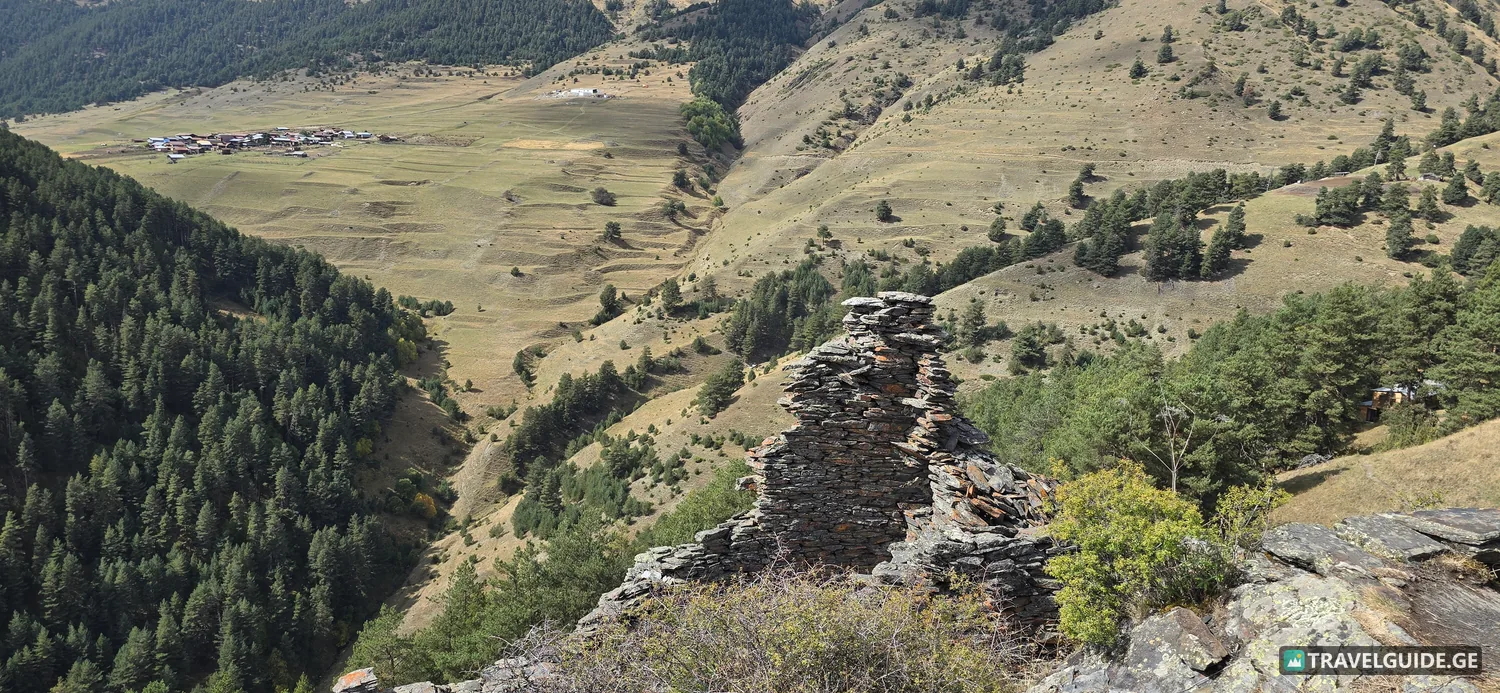
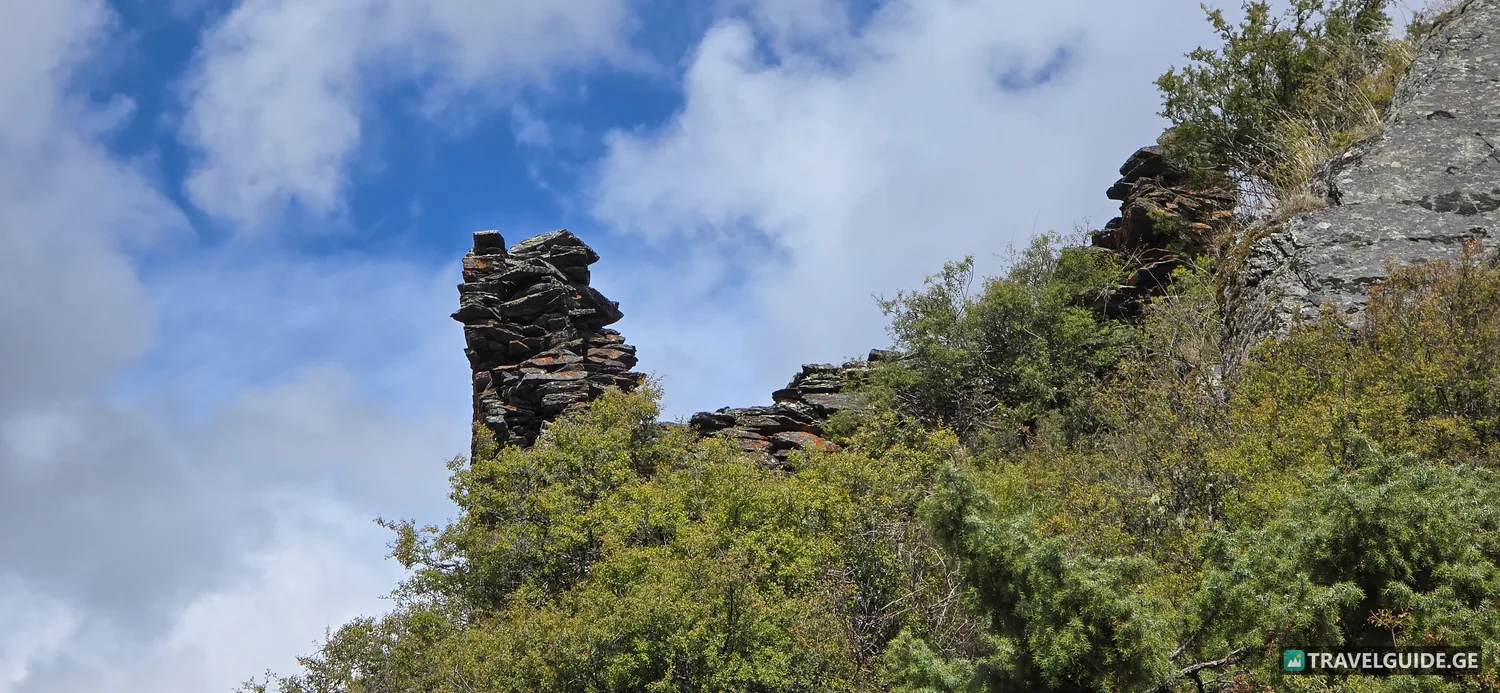
On a steep cliff near the village of Diklo, in the Chagma community of Tusheti, stands Diklo Fortress. Locals call it Dzveli Galavani, meaning “The Old Wall”. It sits at about 2130 meters above sea level, 2.5 km from the modern village, and is listed as a cultural heritage site of national importance.
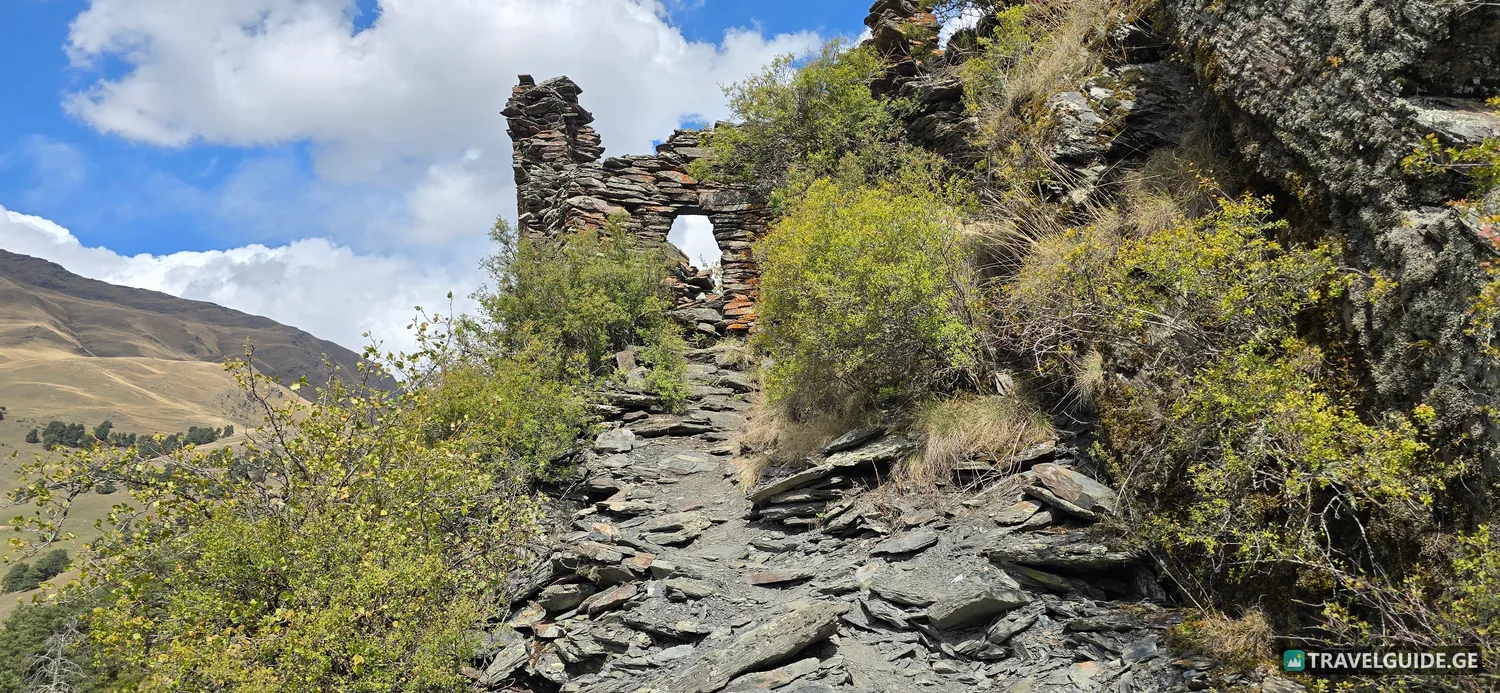
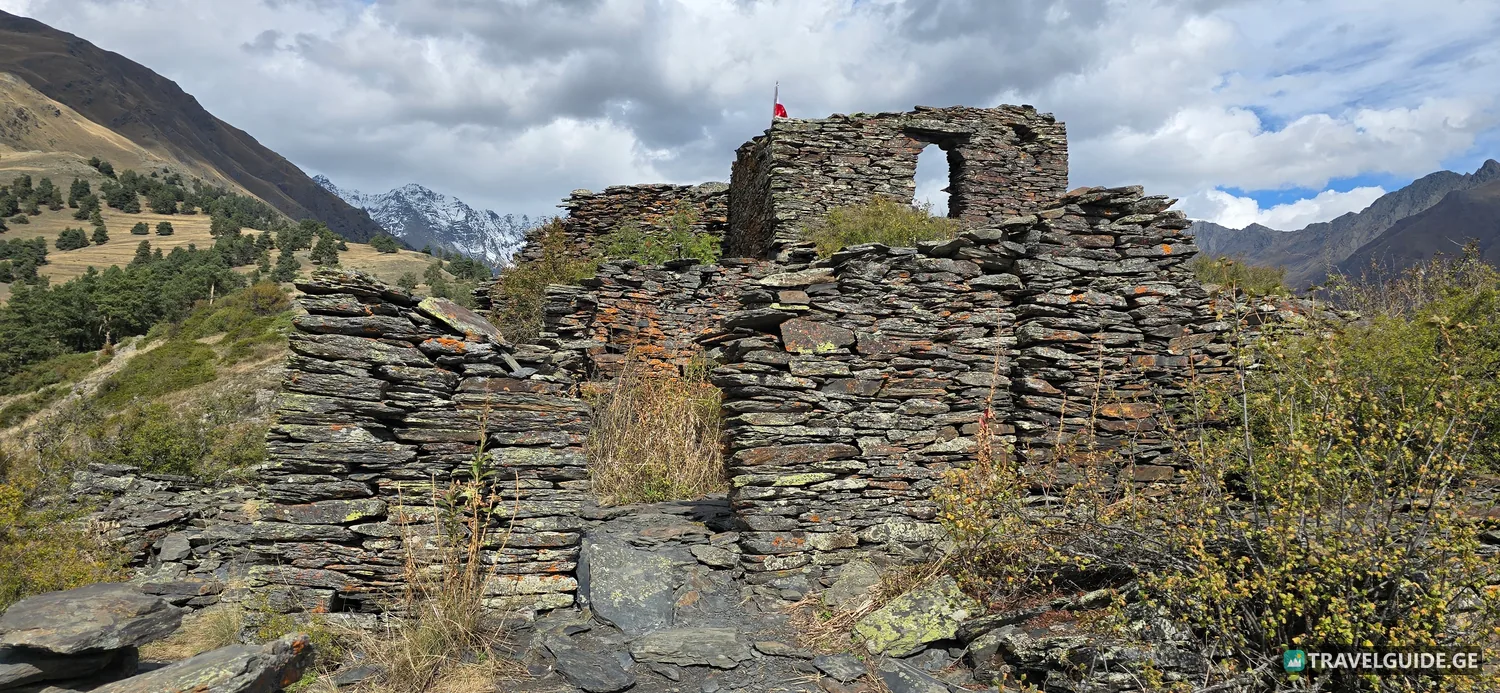
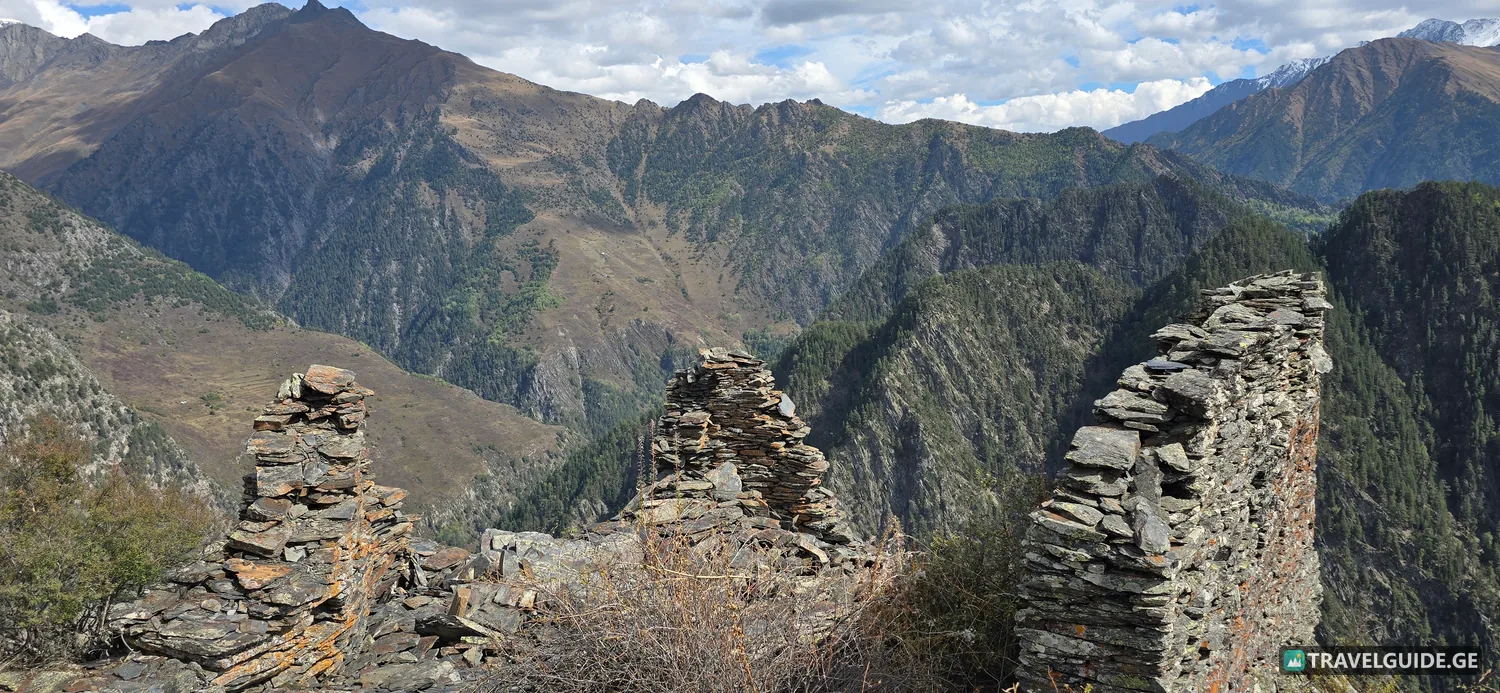
Today the fortress is in ruins. Due to its unique location and structural features, archaeologists believe that restoration would create a unique architectural ensemble. Archaeological excavations and restoration works are still to be carried out.
Geography and Why It Was Built Here
Diklo village is in eastern Georgia, Akhmeta municipality, Kakheti region, in the historical area of Tusheti, at 2155 m above sea level on the river Tushetis Alazani.
Until the 19th century, Diklo village was located on a steep cliff, two kilometers from the present site. It was destroyed by a Dagestani invasion. The fortress protected that old settlement.
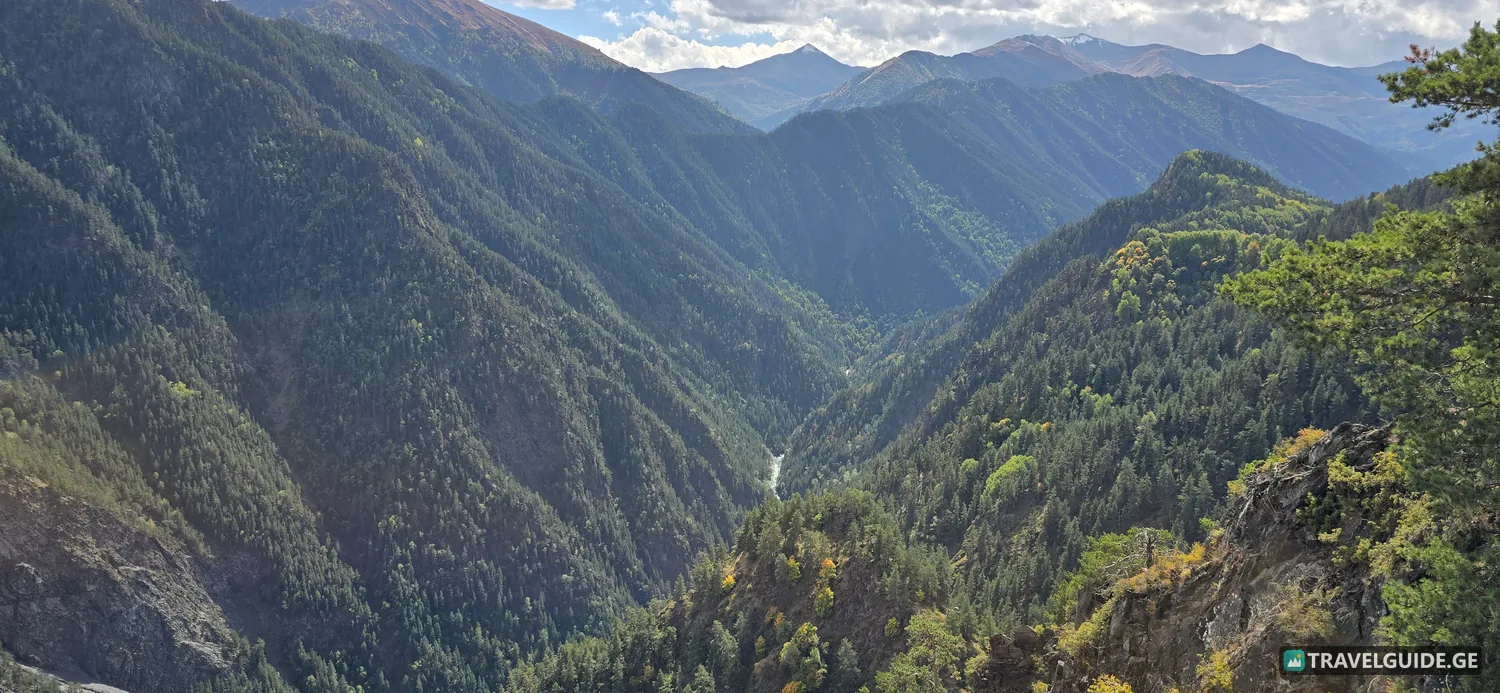
The builders chose an isolated, steep-sided cliff. Deep ravines surround the promontory on three sides, acting as a natural moat. Attackers could approach only along one narrow, defensible path. For a border region that faced frequent raids from Dagestan, this was critical.
The Legend of the 16 Defenders
There is a legend about the fall of Diklo. At the beginning of the 19th century, for 18 days, 16 Diklo dwellers held off an enemy army that invaded the valley. The legend says the army was 10,000 strong, though historians note the real number did not exceed 4,000.
Right after Diklo fell, the village changed location and was revived on another slope. Later, as raids became rare and defense was no longer necessary, people chose an easily accessible place. Old Diklo became a legend.
Architecture
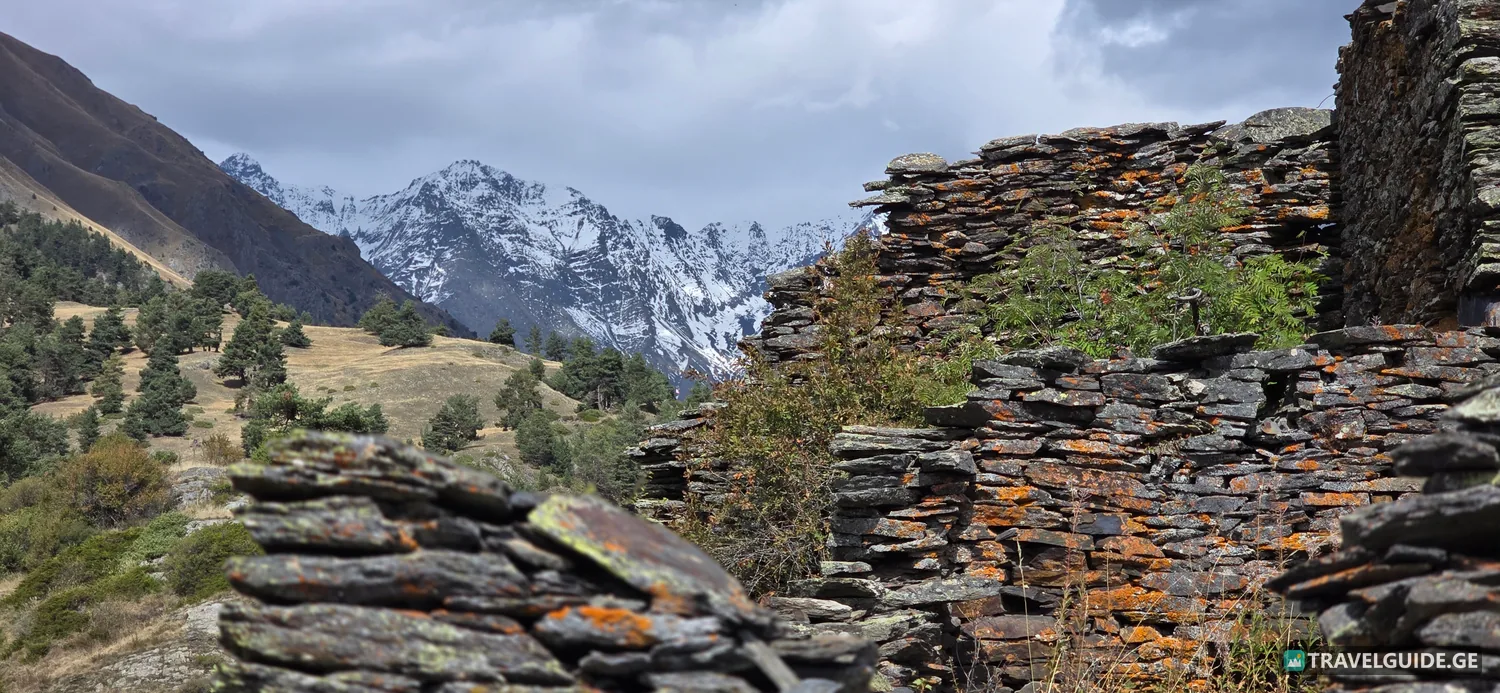
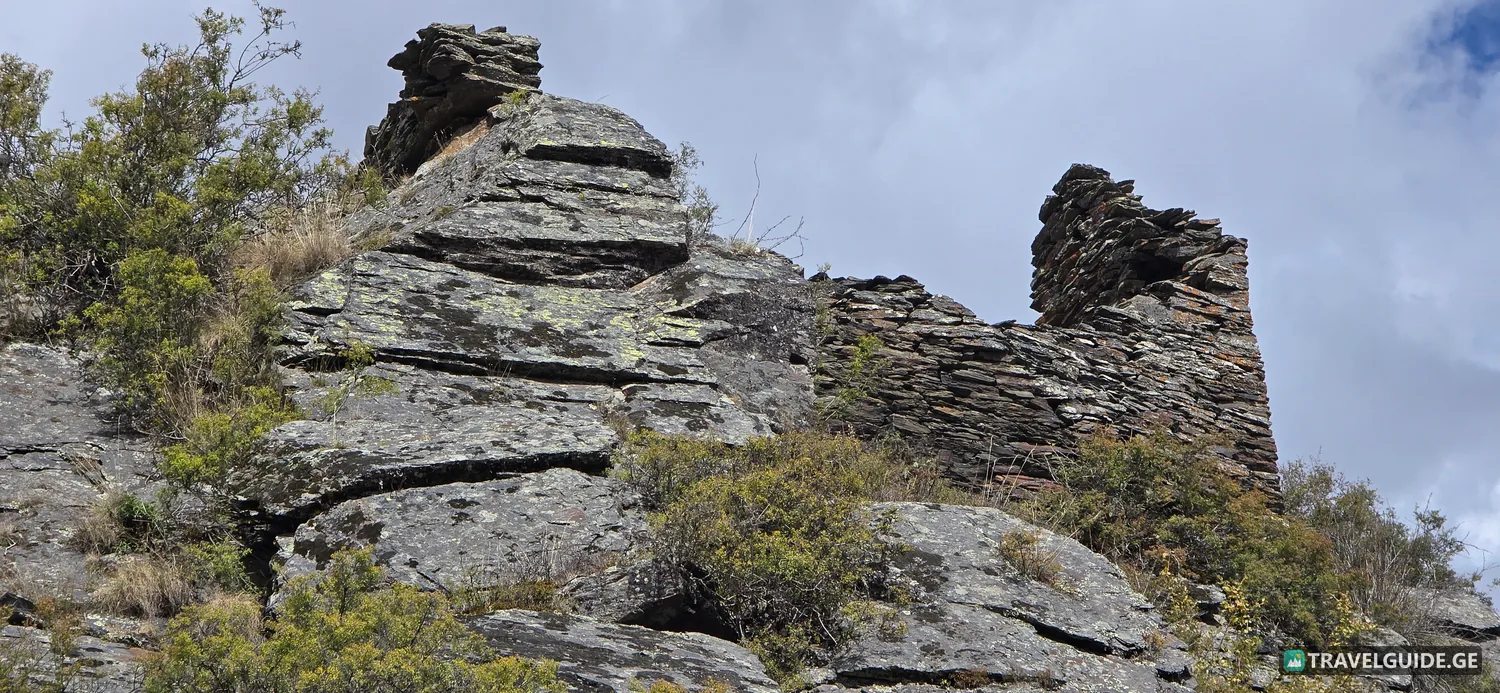
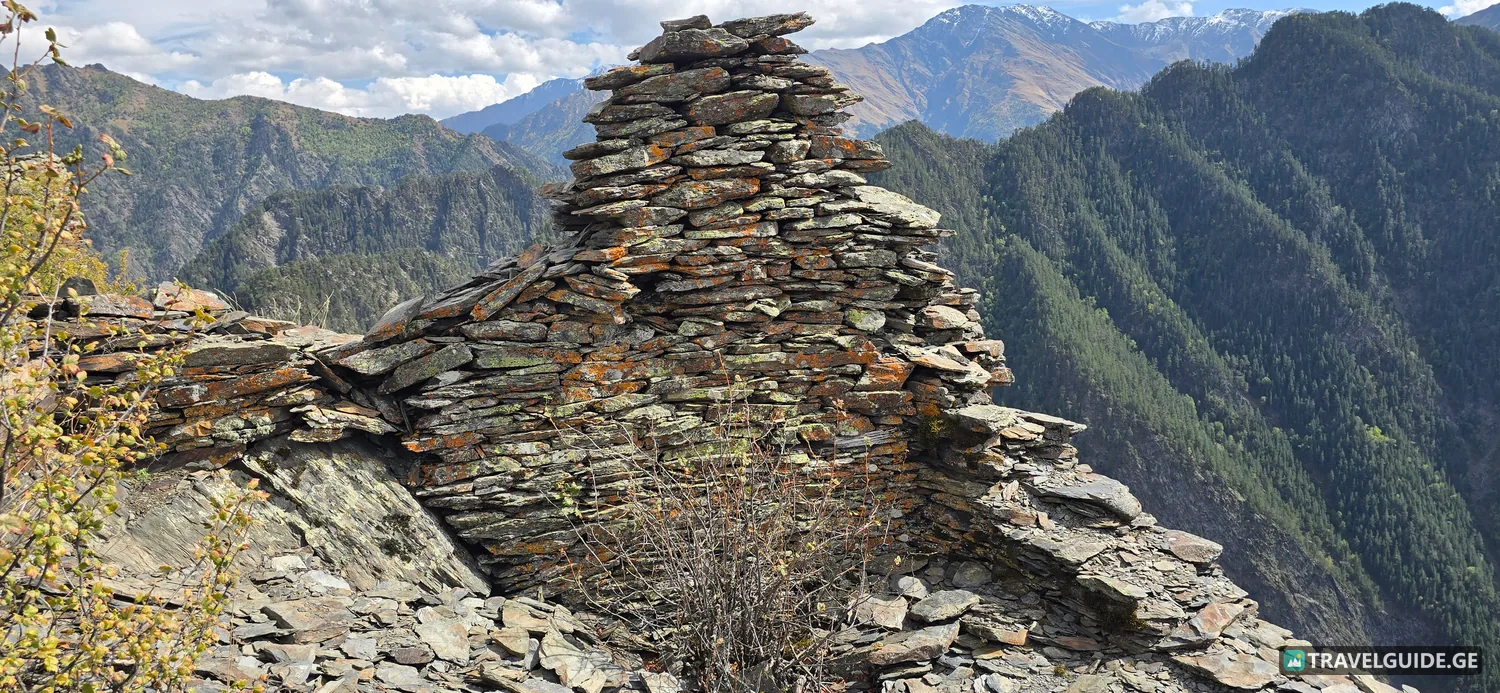
The walls were built from local slate and river stones using dry-stone masonry. Fitting stones together without mortar gives resilience to earthquakes, which is vital in the Caucasus.
The village’s basic structure is not distinctive, but the individual micro-districts form a complete architectural ensemble.
From the fortress you can still read the layout: watchtowers, living quarters, and storage areas. Loopholes in the walls are angled downward so defenders could shoot at attackers below while staying protected.
How to Visit
The Trail
From Diklo village you reach the fortress by hiking trail, 2.3 km one way. Plan 1 to 3 hours for the round trip. The path crosses alpine meadows and rocky ground. It is not technical but uneven.
Border Zone Permit - Required
Diklo is the last village before the border with Dagestan. There is a military post that keeps watch. The fortress lies 3.5 km away in a zone for which you need a permit.
You cannot visit Dzveli Galavani without an official permit from the Georgian Border Police.
- Where to get it: Border Police headquarters in Tbilisi, the regional office in Akhmeta, or at the Omalo Border Police station in Tusheti.
- Documents: Original passport. Processing times vary. Apply at least a day in advance.
- Control: Border patrols are active. Entering without a permit is illegal and you will be turned back.
Cultural Rules
Tusheti has sacred sites called khati. According to local tradition, women are strictly forbidden from approaching certain sacred areas. These places are usually marked or fenced. Respect all local beliefs.
When to Go
Harsh climate, difficult road conditions and isolation mean the village is empty in winter. Winter sometimes starts in September and the passes are not open until June or July.
Best time: July to mid-September. In Diklo there is a simple guesthouse with a hospitable host offering basic facilities, homemade dairy products and hot meals. You can also camp nearby or book in advance.
Why It Matters
Diklo Fortress is not a polished museum. It is a real ruin that tells the story of border life in Tusheti: defense, legends, and survival. The permit requirement and remote location have kept Dzveli Galavani authentic. For travelers who make the effort, it offers silence, views into Dagestan, and a direct link to Tush history.