
Village
Fansheti
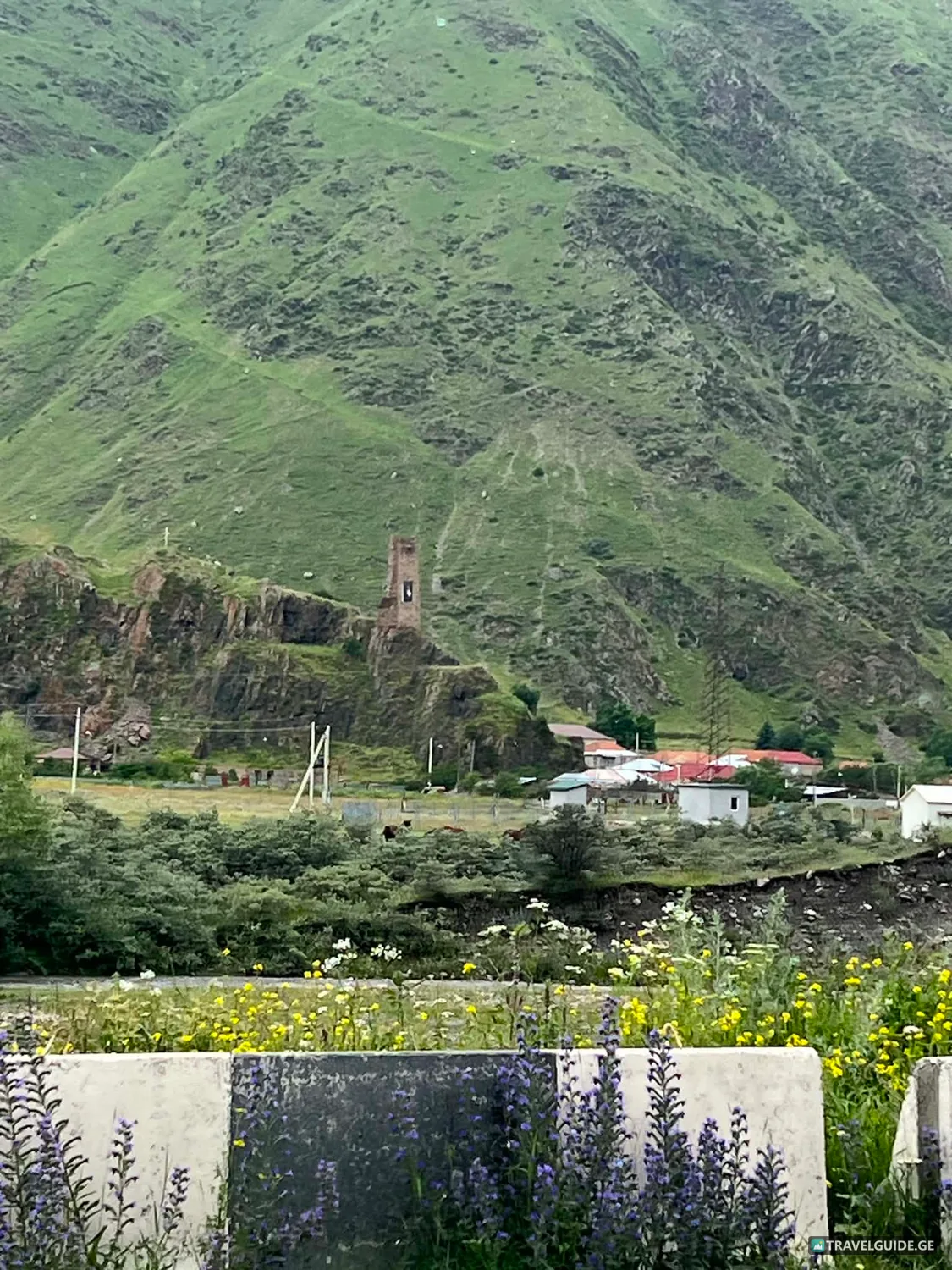
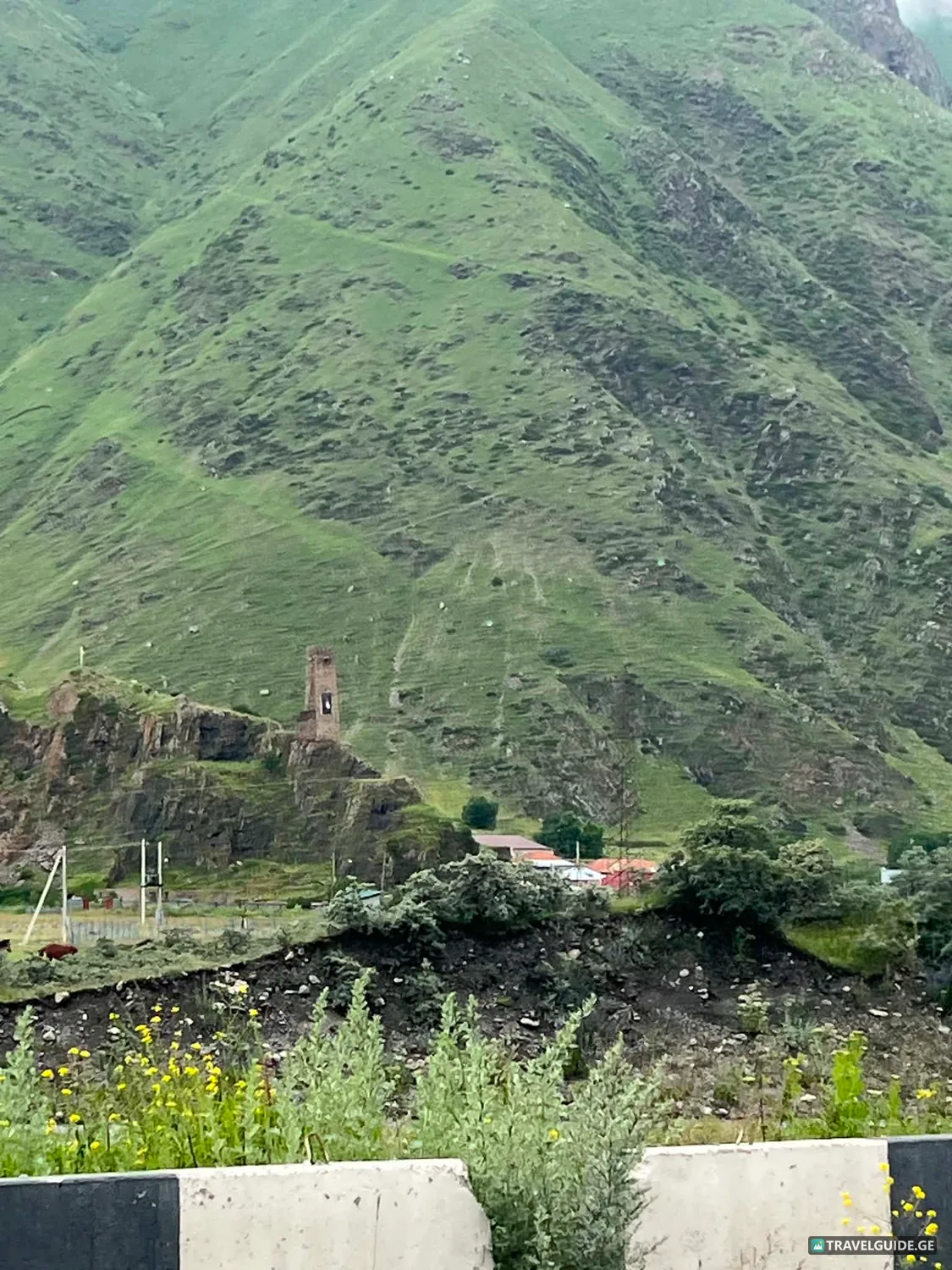
Fansheti is a historic village in Kazbegi, famous for its ancestral towers, the legacy of Gergeti Trinity Church builders, and a fascinating multi-tiered cave complex.
Village · Kazbegi municipality · Municipality in Mtskheta-Mtianeti
Fansheti (also known as Pansheti) is one of the most historically significant and visually stunning villages in the Khevi region. Located in the Kazbegi Municipality on the left bank of the Tergi River, it sits at an altitude of 1,790 meters. The village is a living museum of medieval architecture, featuring ancestral towers, ancient fortresses, and a unique multi-tiered cave complex.
Geography and Location
Situated just 4 kilometers from Stepantsminda, Fansheti occupies a strategic position on the mountain slopes. The village offers panoramic views of Mount Kazbek (Mkinvartsveri) and the surrounding Greater Caucasus range. It is divided into two parts: the modern settlement and "Old Fansheti," whose ruins lie approximately 300 meters north of the current village, providing a glimpse into the region's ancient urban planning.
Historical Significance
Fansheti holds a prominent place in Georgian history. In the 18th century, it served as the administrative center for one of the four "samouravos" (districts) of Khevi. The villagers were renowned for their craftsmanship and masonry skills. Local tradition holds that the builders of the world-famous Gergeti Trinity Church were residents of Fansheti. For centuries, the village acted as a northern sentinel, protecting the gorge from invasions through its sophisticated defensive network.
Architectural Heritage
The architectural landscape of Fansheti is dominated by its stone towers, which served both as residences and defensive structures.
- Fansheti Fortress: Dating back to the 17th century, this complex belonged to the Choniashvili family. It consists of a 12-meter-high rectangular tower and a two-story residential house built with finely dressed stone.
- Ancestral Towers: The towers of the Choniashvili and Samkanashvili families are the most prominent. These structures, along with the 16th-century signal towers, formed part of a communication chain that linked Fansheti with the Sno Fortress and other regional strongholds.
- Signal Towers: Characterized by their lack of windows, these towers were used to transmit fire signals during times of war.
Nature and Cave Complex
Beyond its stone architecture, Fansheti is famous for its three-tiered cave complex carved into the cliffs. The first two tiers contain several small chambers, while the third tier features a more elaborate system of five interconnected rooms. These caves likely served as impregnable refuges during raids or as hermitages for monks. The surrounding landscape is rich in alpine flora, mineral springs, and hiking trails that lead deep into the Caucasus mountains.
Local Life and Traditions
Modern Fansheti is a peaceful community that balances traditional mountain life with growing tourism. In the early 20th century, the population migrated from the higher, more defensive "Old Fansheti" to the current location. Today, locals are primarily involved in cattle breeding and hosting travelers. Visitors can experience authentic Khevi hospitality, taste traditional local dishes like "Mokheve Khinkali," and explore the ruins that tell the story of a resilient mountain people.
What to do

Sabertse Pass & Plateau
A deep dive into the geography and history of the 3,000-meter Sabertse plateau, a vital mountain waypoint on the route to the Kazbegi glacier.
Transfers
Compare local drivers and guides who publish their own prices on fixed routes (like tour bookings: same reference, PayPal or cash, and messaging when your email matches your account).