
Holy Trinity Cathedral of Tbilisi (Sameba)
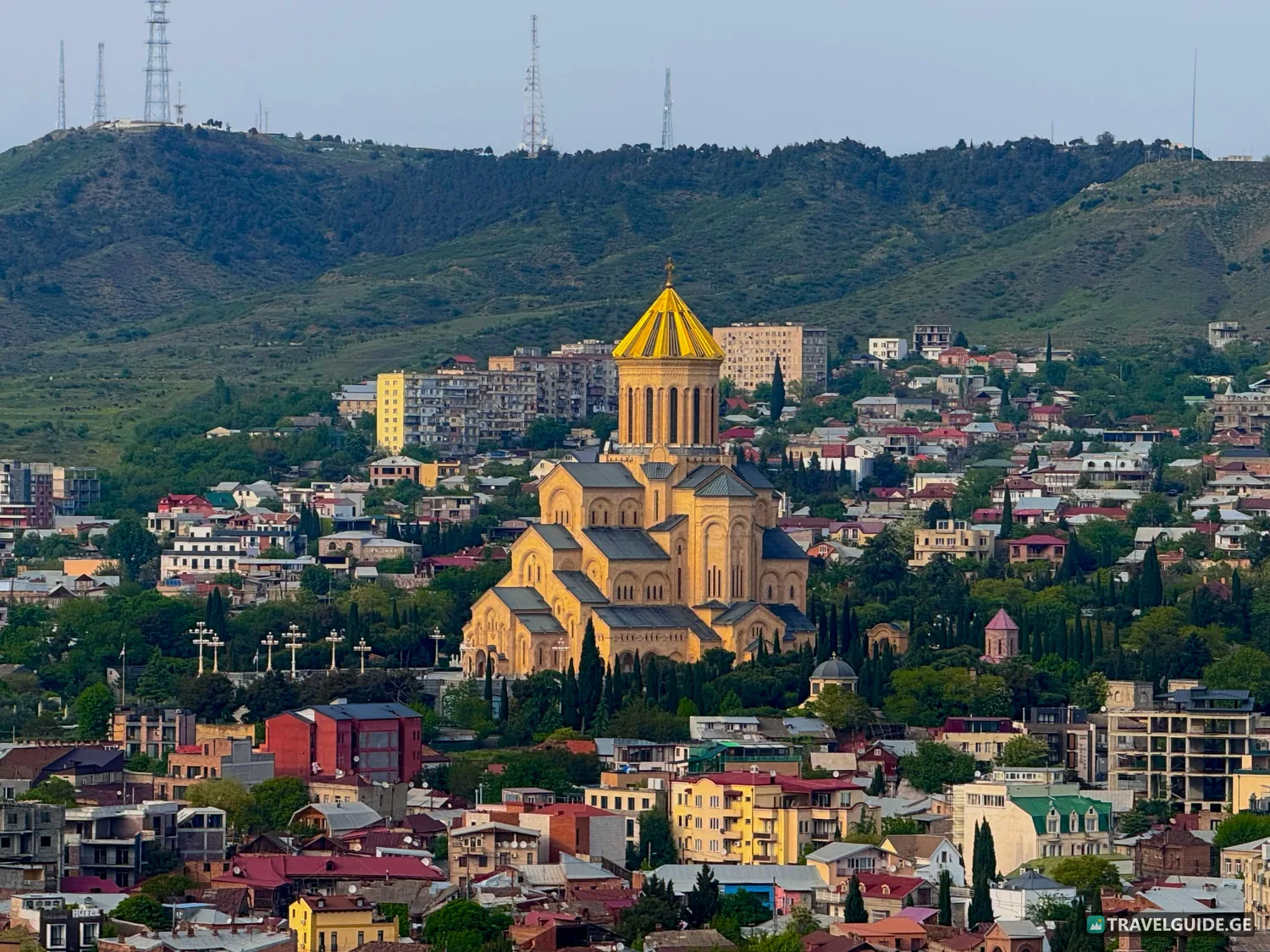
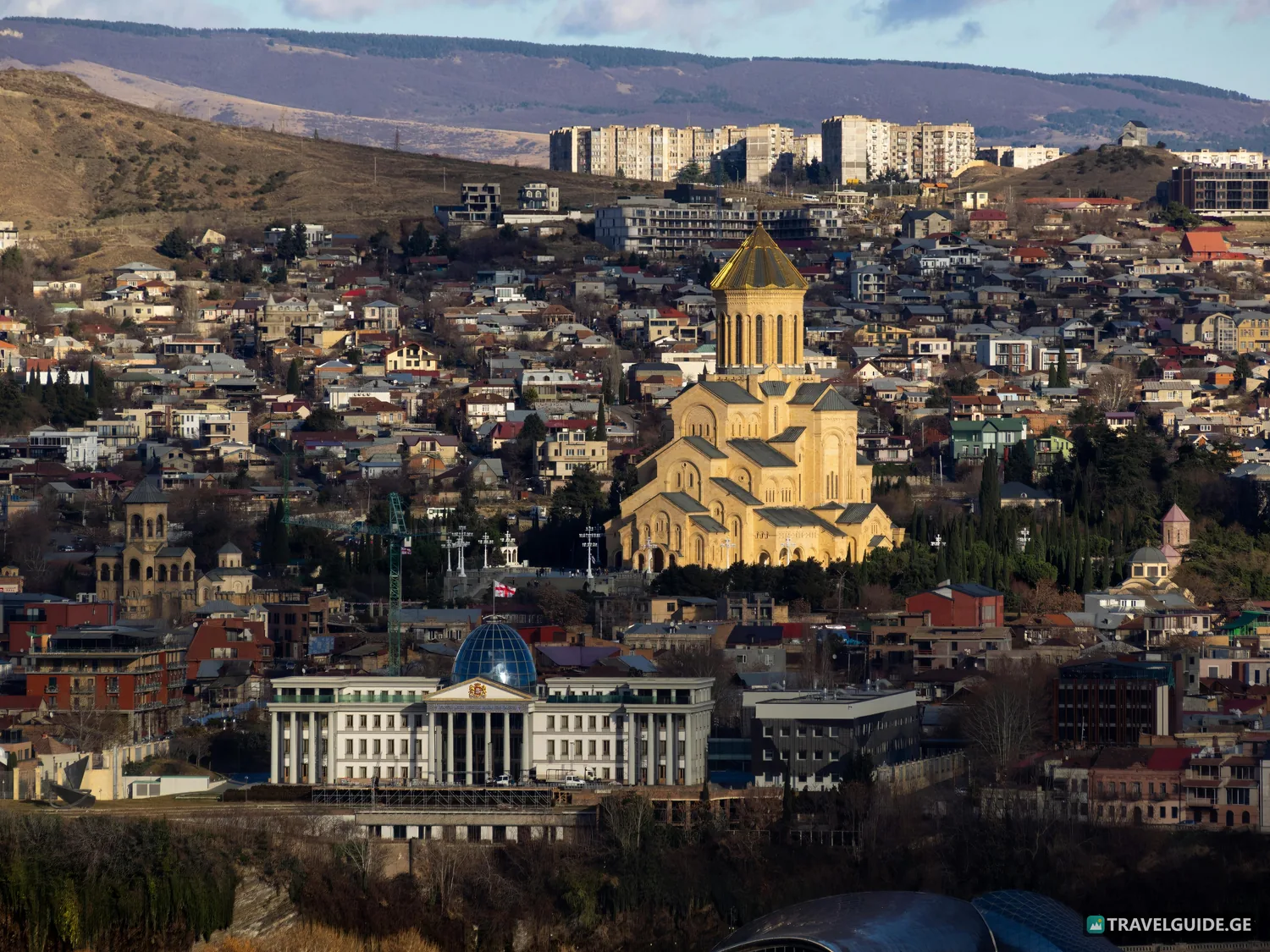
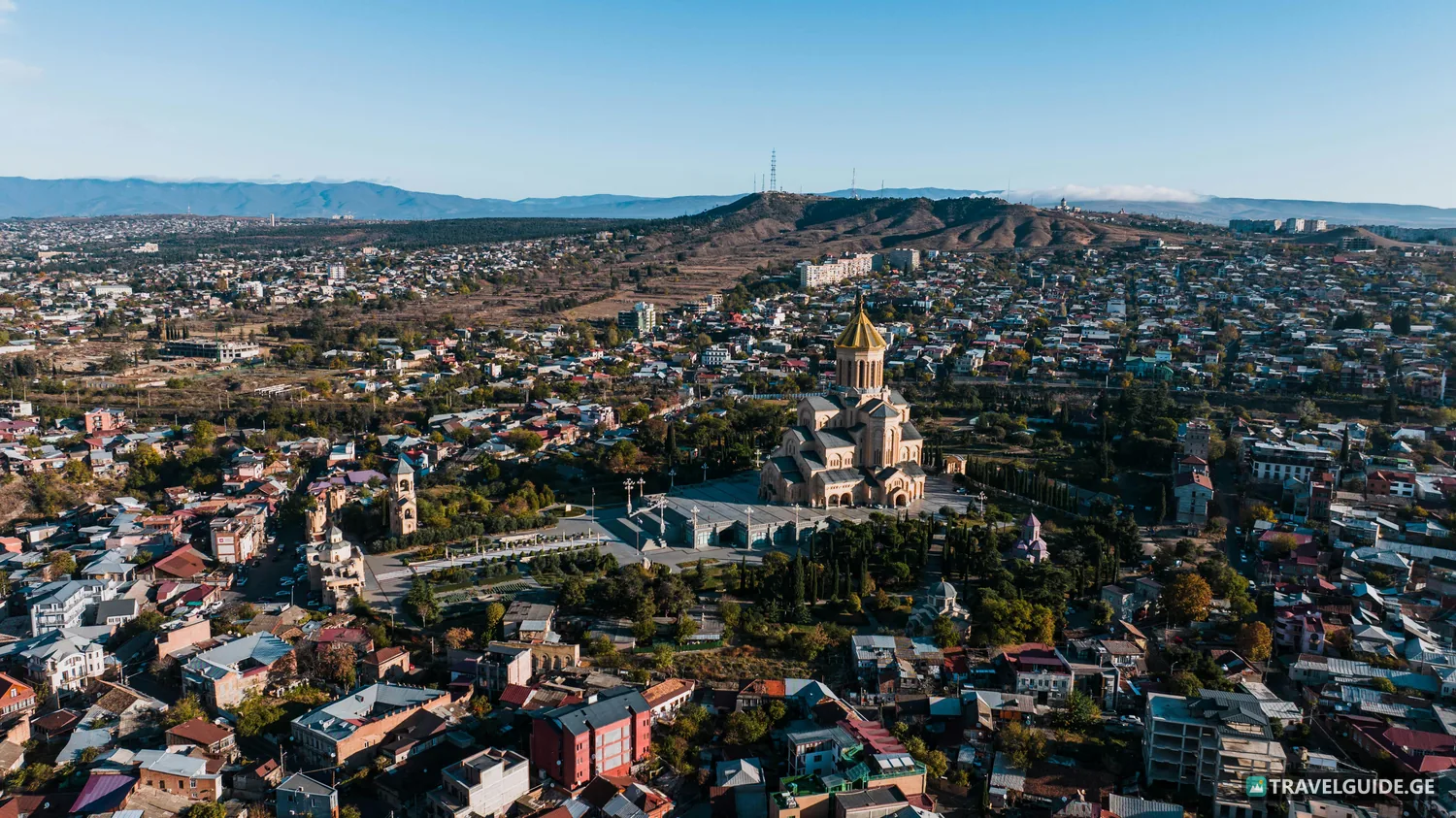
Standing on Elia Hill, the Holy Trinity Cathedral of Tbilisi, locally known as Sameba, is the visible spiritual heart of modern Georgia. Rising high above the left bank of the Mtkvari River, this monumental complex serves as the main cathedral of the Georgian Orthodox Church. Consecrated in 2004, the cathedral was constructed to mark two monumental milestones: 2,000 years since the birth of Jesus and 1,500 years of the autocephaly of the Georgian Church. While it is a contemporary creation, its design honors centuries of classical Georgian religious architecture, blending traditional cross-domed proportions with monumental modern engineering.
The Architecture and Symbolism of Sameba
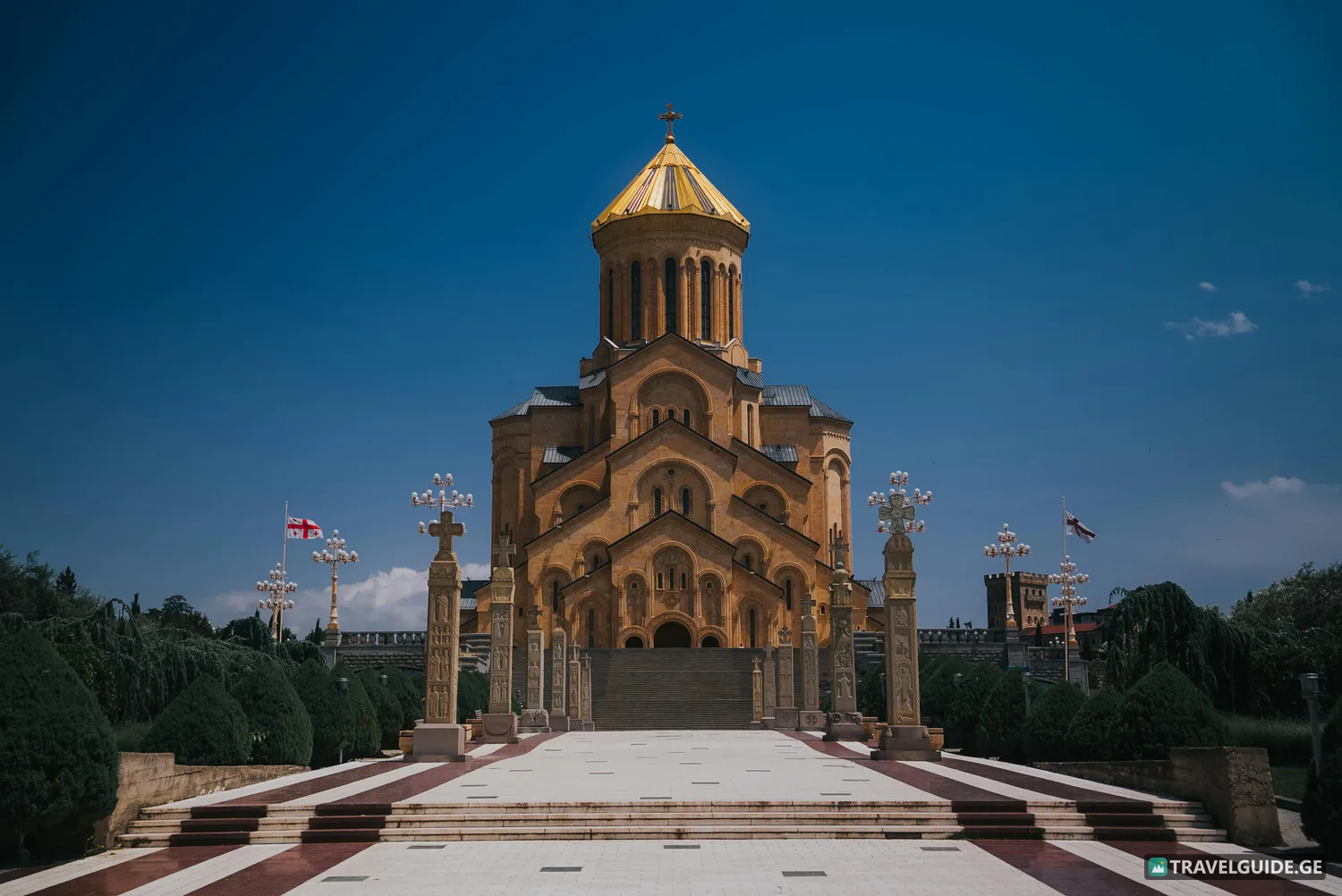
Sameba ranks as one of the largest Eastern Orthodox churches in the world by volume. The cathedral ground plan forms a classic cross design with an overall height of 84 meters from the ground to the top of the gold-plated cross that crowns its central dome. The complex is designed as a multi-tiered sanctuary comprising nine individual chapels, five of which are built entirely underground beneath the massive stone foundations.
Architect Archil Mindiashvili engineered the complex to reflect Georgia's deep stone-carving traditions. The exterior facades showcase delicate relief carvings, geometric stone patterns, and arches inspired by historic cathedrals like Svetitskhoveli and Alaverdi. Inside, the space is open and expansive, housing a treasury of religious art. Visitors will find a massive altar icon painted under the direction of Amiran Goglidze, alongside numerous historical icons, detailed frescoes, and a large, handmade book of the Gospels written on parchment displayed within the main hall.
Historical Context and Construction
The planning for the cathedral began in 1989, a critical period during Georgia's drive toward independence from Soviet rule. It was envisioned as a symbol of national and spiritual revival. Actual construction commenced in 1995 on the historic grounds of Elia Hill and relied largely on donations from private citizens and international benefactors. The ground beneath the foundations contains soil collected from holy sites across Georgia, symbolically anchoring the entire country into the structure. Today, the expansive granite-paved courtyard features independent bell towers, the patriarchal residence, a clerical academy, and landscaped gardens that offer a calm vantage point overlooking the entire old town.