
Margiani House-Museum
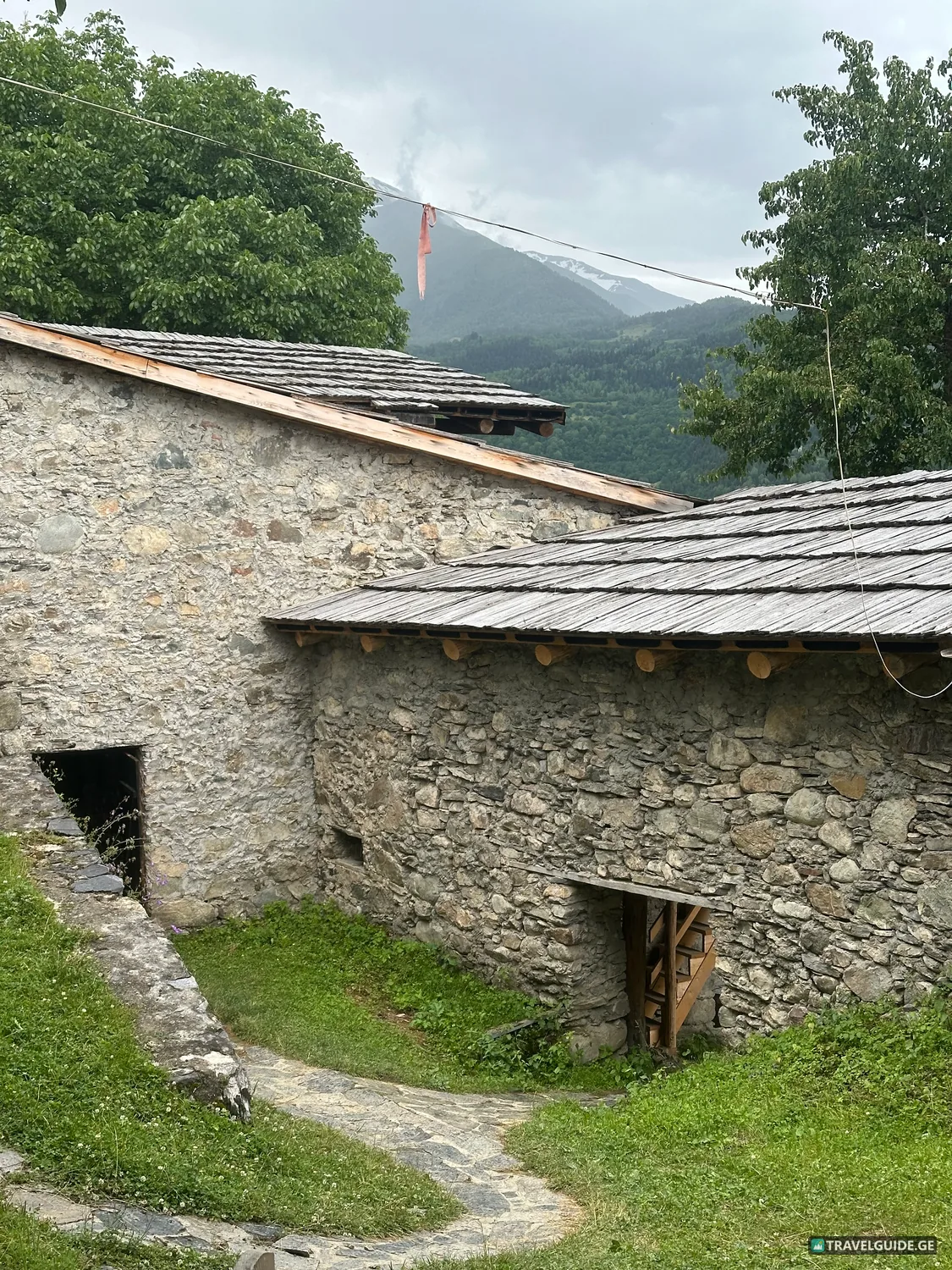
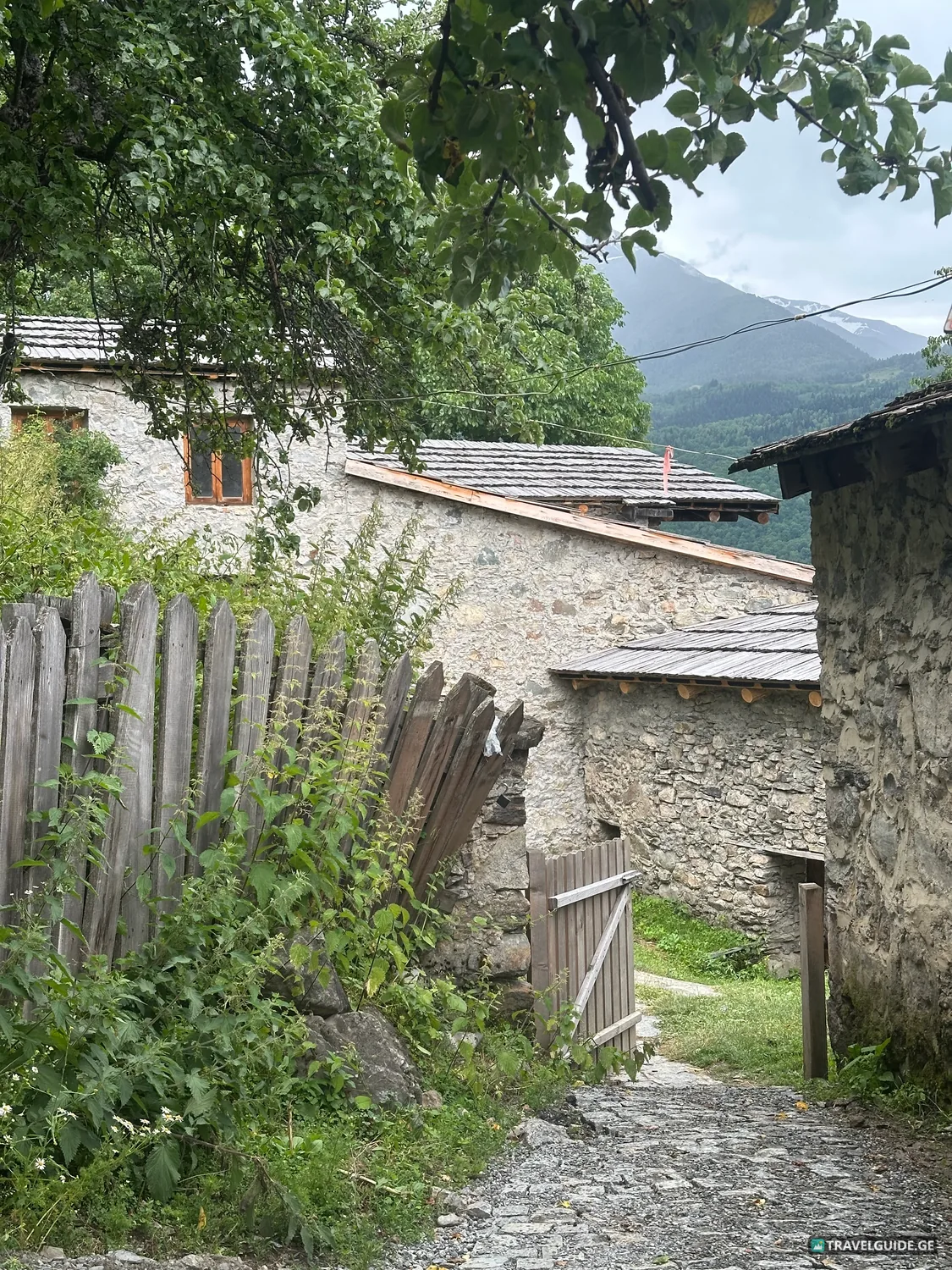
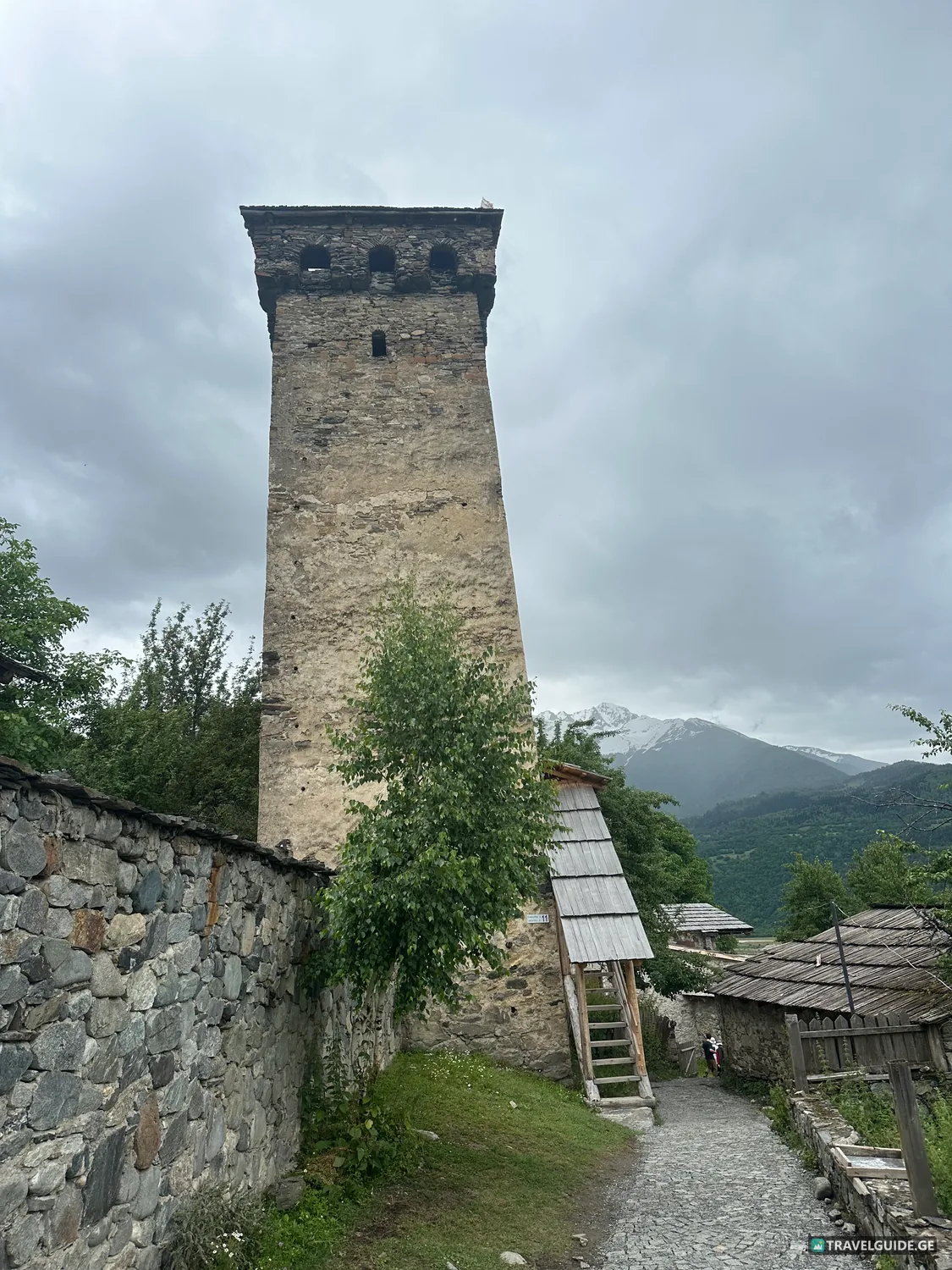
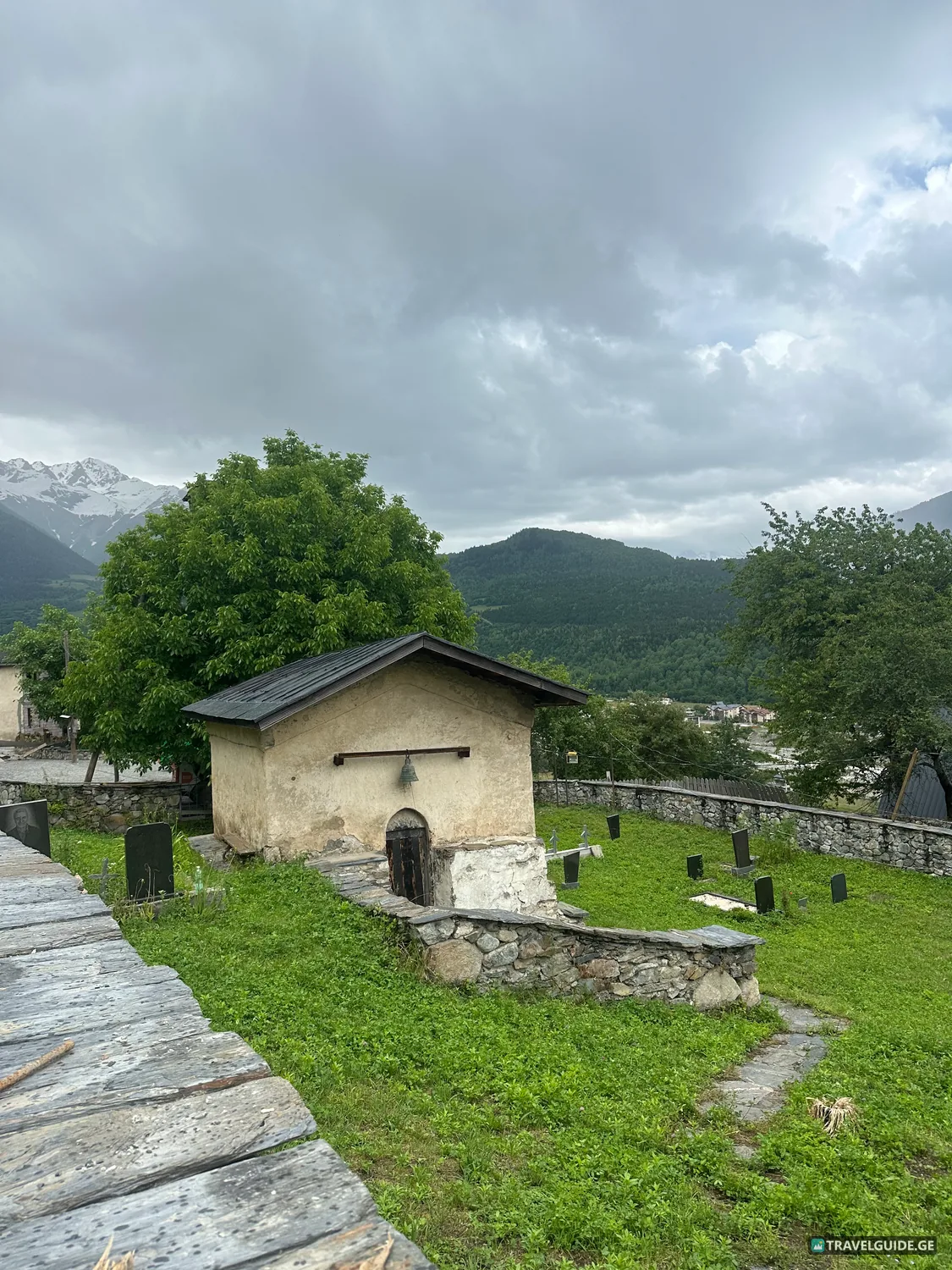
Situated within the historic Lanchvali district of Mestia, the Margiani House-Museum serves as a direct point of entry into the traditional social and defensive structures of the Svan people. Unlike conventional museums, this site remains anchored to its original purpose, preserving the physical manifestation of life in the high-altitude conditions of the Greater Caucasus. The complex is defined by the coexistence of two primary structures: the koshki, or defensive tower, and the machubi, a fortified residential house, both of which have been maintained to illustrate the specific cultural geography of the Svaneti region.
The Socio-Architectural Function of the Machubi
The machubi served as the primary living unit during the Middle Ages. Its architectural configuration prioritized thermal regulation and communal security. The ground floor was typically reserved for livestock during the winter months, an intentional design that allowed the heat generated by the animals to rise through the wooden floorboards, providing essential warmth to the human residents living directly above. This symbiotic relationship between livestock and family was a cornerstone of survival in an environment where winter isolation was absolute and temperatures regularly plummeted.
Defensive Engineering and the Koshki
Adjacent to the residential quarters, the koshki stands as a vertical extension of the family’s sovereignty. These towers, primarily constructed between the 10th and 13th centuries, were not merely residential extensions but critical defensive outposts designed for periods of local conflict and blood feuds.
Key features of the tower construction include:
- Dry-stone masonry: Heavy schist and limestone blocks stacked without mortar, relying on mass and precision for structural integrity.
- Small-aperture fenestration: The narrow, slit-like windows functioned as strategic observation points and archery ports while minimizing heat loss.
- Vertical fortification: The entrance was historically located on the second level, accessible only via a retractable ladder to prevent intruders from gaining easy access.
Historical Context and Material Heritage
The preservation of the Margiani complex offers an unfiltered view of the Svan socioeconomic order. Each artifact within the dwelling—from the traditional wooden grain chests to the iron hearth tools—is a document of indigenous craftsmanship. The materials utilized were extracted directly from the local riverbeds and mountainsides, reflecting a complete dependence on the immediate landscape. The structural composition of the complex has survived centuries of seismic activity, a result of the sophisticated understanding of geometry and stone weight distribution possessed by local builders long before the introduction of modern engineering techniques.