
Bridge of Peace
Introduction
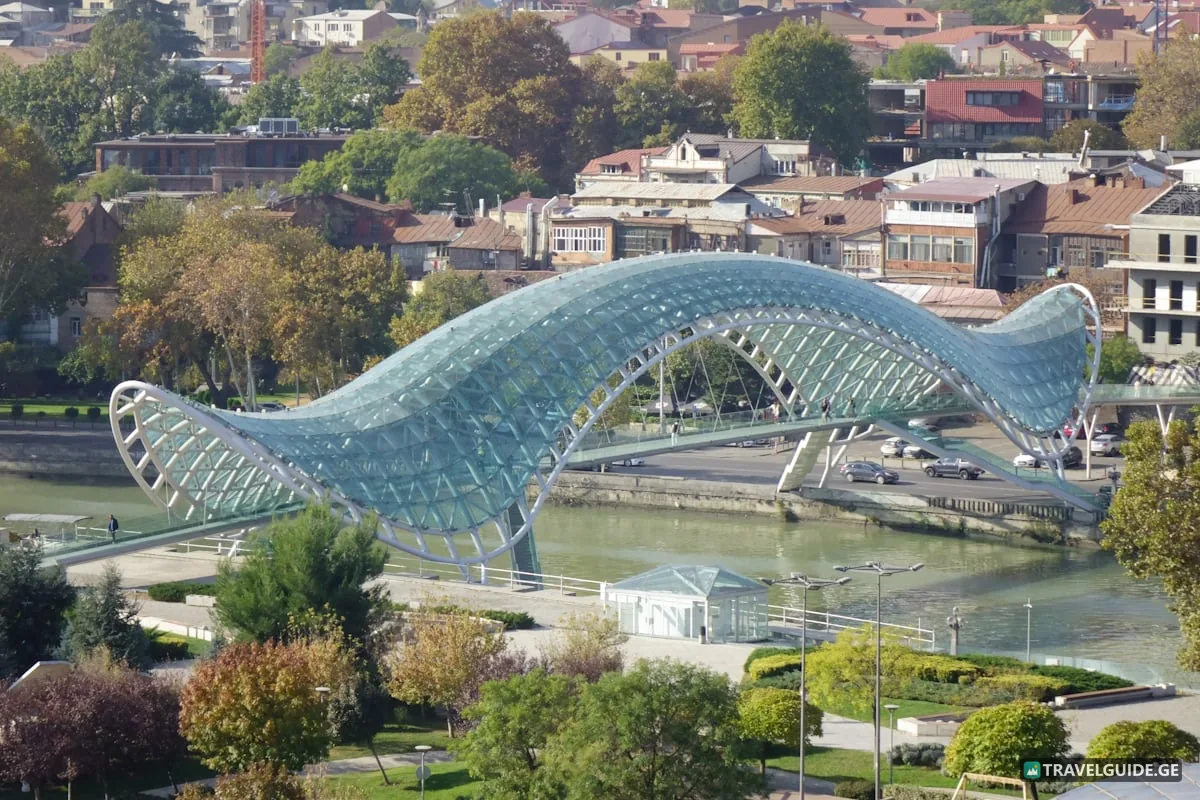
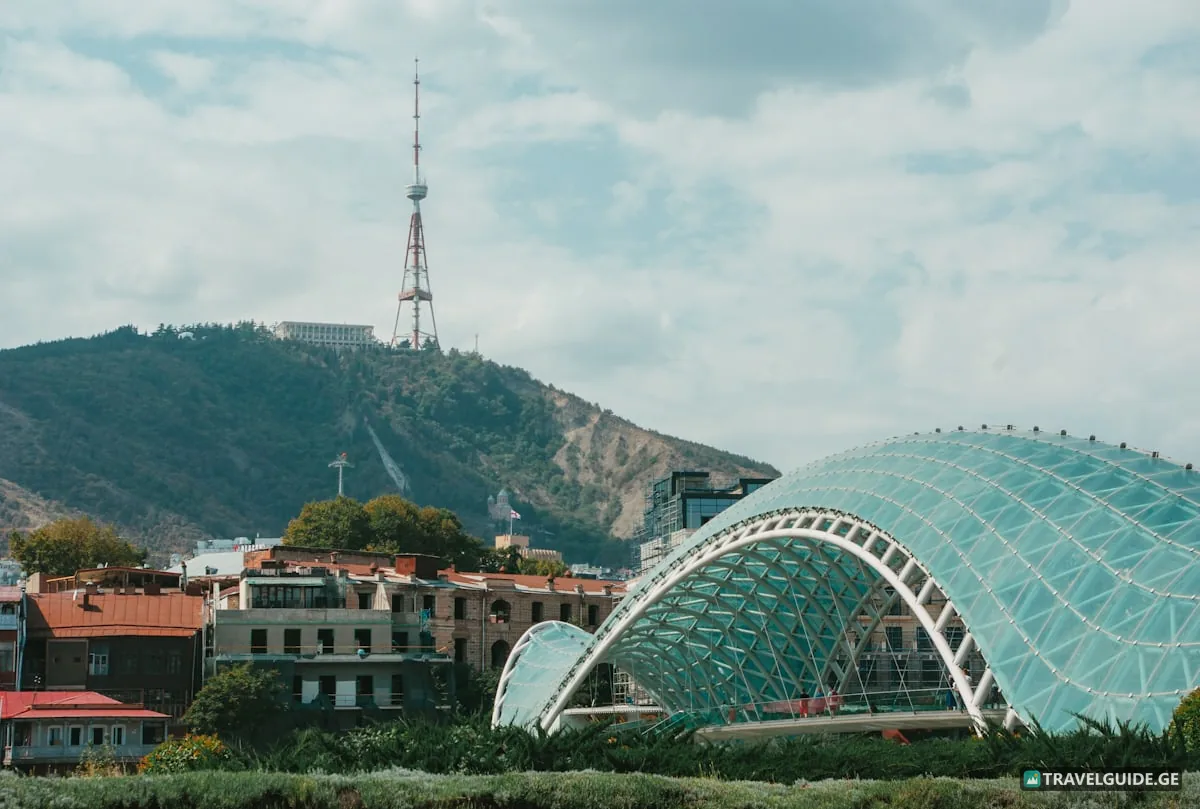
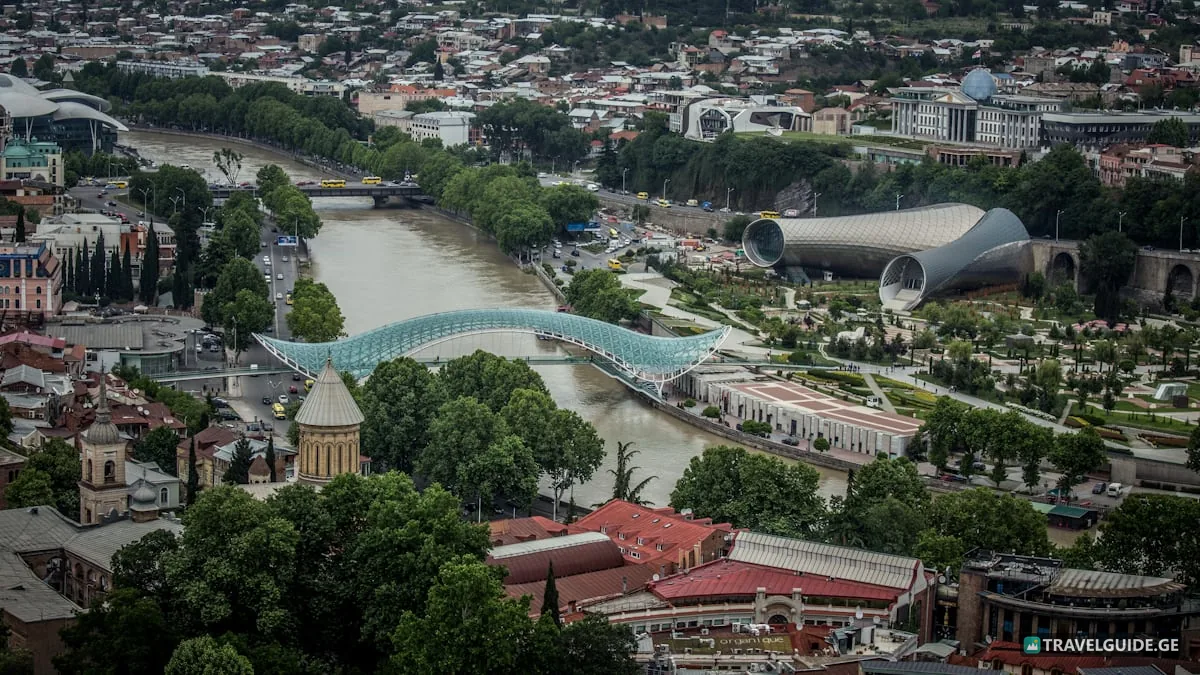
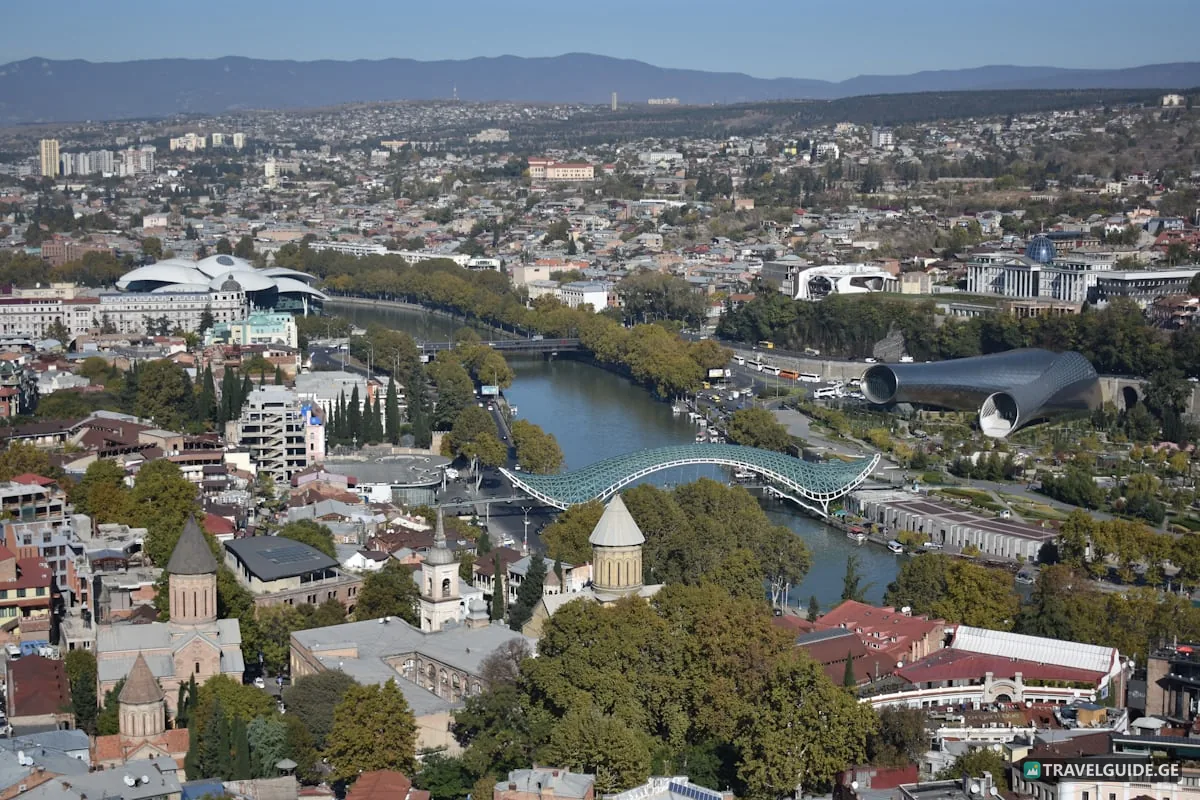
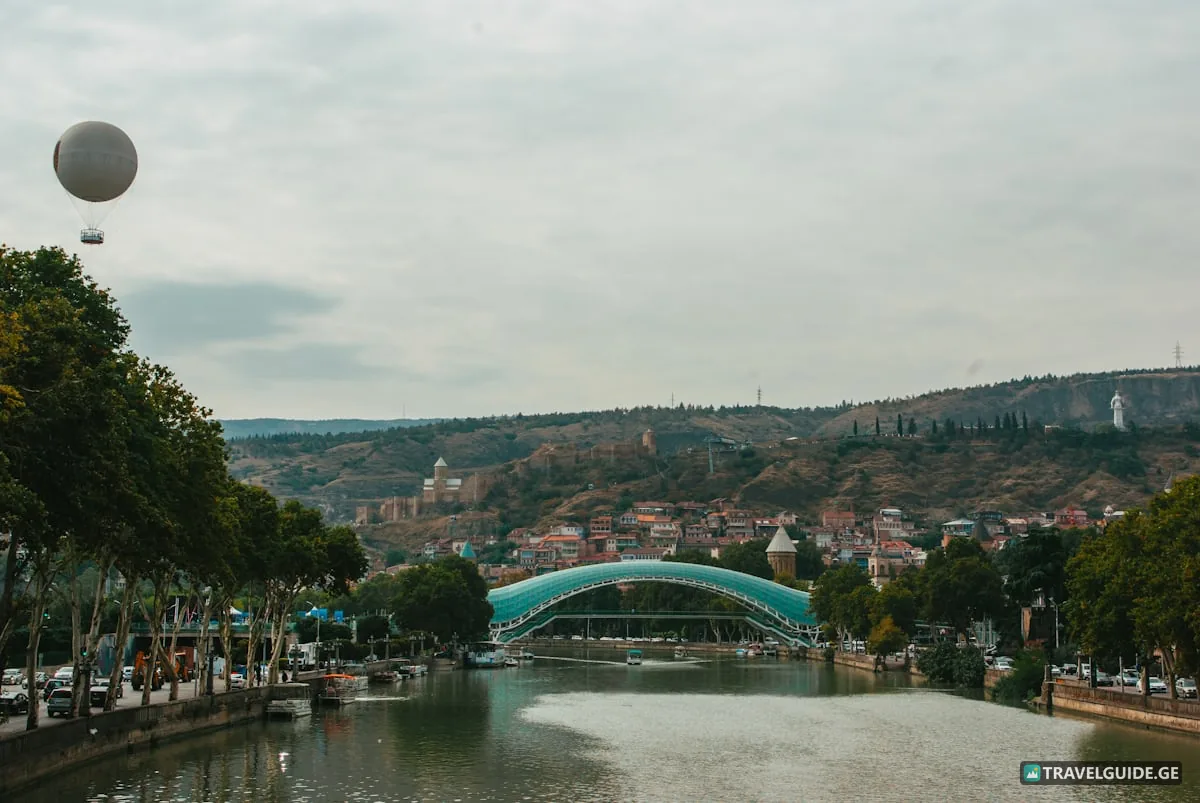
The Bridge of Peace (Georgian: მშვიდობის ხიდი, Mshvidobis Khidi) is a prominent, bow-shaped pedestrian bridge traversing the Mtkvari (Kura) River in Tbilisi, the capital of Georgia. Spanning approximately 150 meters, this contemporary architectural marvel seamlessly connects the historical and culturally rich district of Old Tbilisi with the newly developed, modern recreational area of Rike Park. Since its official inauguration on May 6, 2010, the bridge has rapidly become one of the most recognizable and photographed landmarks in the country, symbolizing Georgia's transition from a turbulent past toward a progressive, forward-looking future.
Historical Context and Commission
The concept for the Bridge of Peace was born in the aftermath of the 2008 Russo-Georgian War. Under the administration of then-President Mikheil Saakashvili, the city embarked on an ambitious urban renewal project aimed at revitalizing Tbilisi’s infrastructure and projecting an image of resilience and modernization to the global community. The Tbilisi City Hall commissioned the project with the explicit goal of creating a physical and metaphorical link between the city's ancient heritage and its modern aspirations. The bridge was intended not just as a crossing point, but as a monument to peace, unity, and life.
Architectural Design and Structural Engineering
The bridge was designed by the acclaimed Italian architect Michele De Lucchi, a prominent figure in contemporary European architecture who also designed the Presidential Palace and the Ministry of Internal Affairs building in Tbilisi. The structural engineering and glass roof design were meticulously crafted to resemble a massive marine animal's shell or a sweeping, graceful bow.
The core structure is constructed from a complex, interwoven web of tubular steel. This robust skeleton is covered by a sprawling canopy made of custom-cut, high-durability glass panels. The components of the bridge were manufactured in Italy and transported to Tbilisi using 200 trucks. The assembly process on-site was a feat of modern engineering, requiring absolute precision to ensure the sweeping curves of the steel perfectly supported the fragile glass canopy above the fast-flowing Mtkvari River. The pedestrian walkway itself is wide and inviting, offering uninterrupted, panoramic views of the Metekhi Church, Narikala Fortress, and the Baratashvili Bridge on one side, and the modern structures of Rike Park on the other.
The Illumination System and The "Message of Peace"
While the bridge is a striking piece of architecture during the day, it truly comes alive at night. The illumination system was designed by the renowned French lighting designer Philippe Martinaud. The system comprises over 1,208 custom LED fixtures embedded directly into the glass canopy, along the handrails, and beneath the pedestrian deck.
Ninety minutes before sunset every evening, the bridge's lighting system activates in a spectacular display that reflects on the dark waters of the river. However, this is not merely a random light show. The LEDs on the canopy are programmed to transmit a specific, repeating message in Morse code. The message flashes the names of the chemical elements present in the human body—such as carbon, oxygen, hydrogen, and nitrogen. According to Martinaud and De Lucchi, this represents an overarching message of peace and unity: a reminder that regardless of nationality, race, religion, or political affiliation, all human beings are composed of the exact same fundamental elements.
Public Reception and Cultural Impact
Like many ultra-modern structures introduced into ancient cityscapes—reminiscent of the controversy surrounding the Louvre Pyramid in Paris—the Bridge of Peace initially polarized public opinion. Many conservative urban planners, historians, and local citizens argued that its futuristic, high-tech aesthetic aggressively clashed with the historic, 19th-century balconies and ancient stone churches of Old Tbilisi. Detractors occasionally referred to the structure by various nicknames, the most infamous being "Always Ultra," due to the canopy's perceived resemblance to a sanitary napkin.
However, over the years, the narrative has shifted dramatically. The bridge has been embraced by the younger generation and the international tourism community. It is now widely considered an architectural triumph that adds a layer of dynamic modernity to Tbilisi's skyline. It serves as a central gathering place for locals, street musicians, and artists, blending the city's vibrant street culture with high architecture.
Location, Accessibility, and Visitor Experience
The Bridge of Peace is exceptionally accessible for pedestrians. It sits squarely between the Baratashvili Bridge and the Metekhi Bridge. Visitors exploring the narrow, winding streets of the Shardeni area or Erekle II Street in Old Tbilisi can simply walk toward the river to find the bridge's western entrance. Crossing the bridge deposits visitors directly into Rike Park, where they can immediately board the aerial tramway leading up to the Narikala Fortress.
There is no entry fee to cross the bridge, and it is open 24 hours a day, 7 days a week. For the optimal visitor experience, it is highly recommended to cross the bridge twice: once during the day to appreciate the architectural details and the panoramic views of the surrounding historical monuments, and once at night to witness the mesmerizing, interactive Morse code light display.